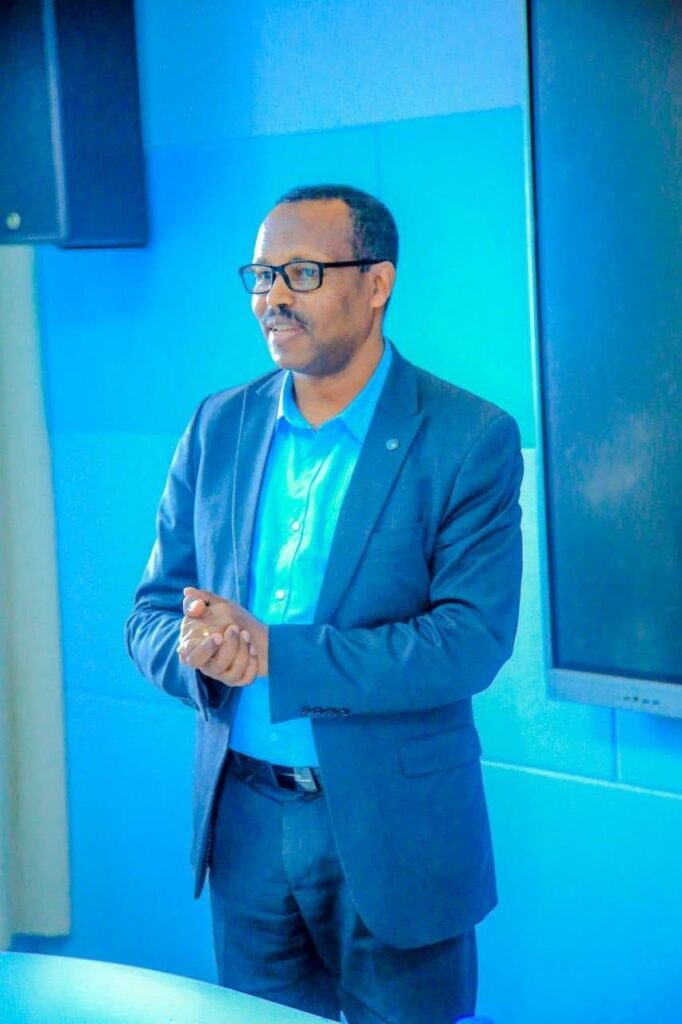
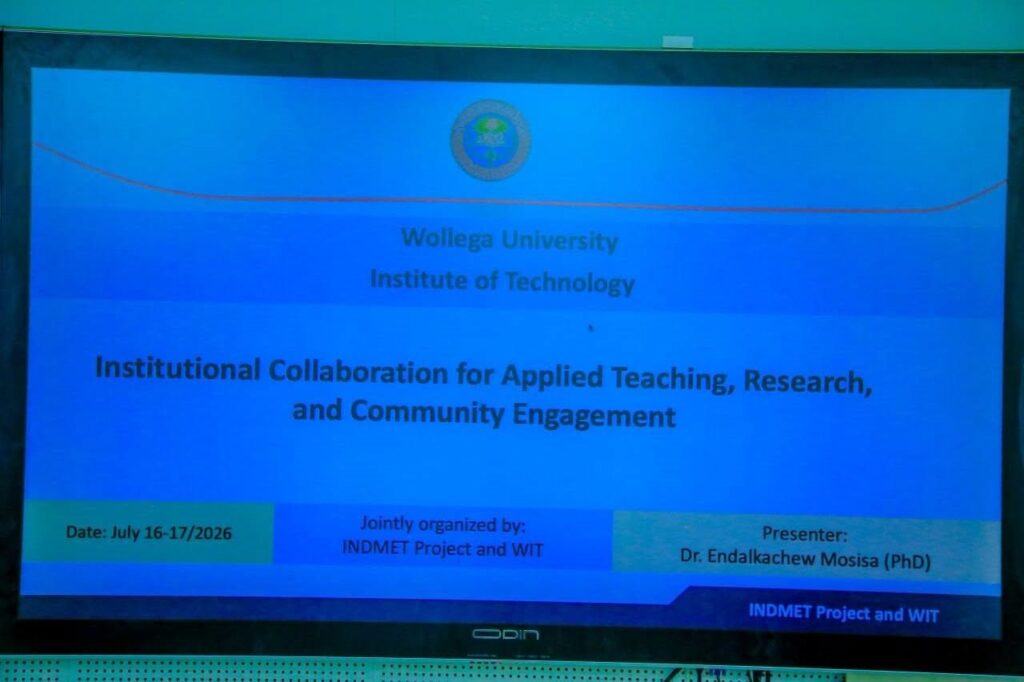
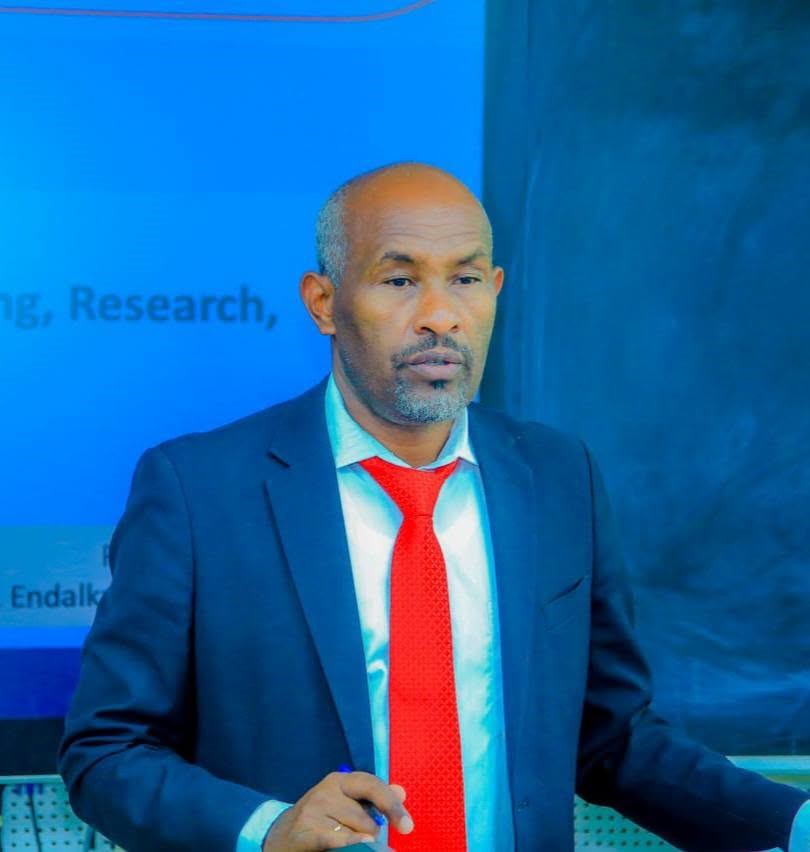
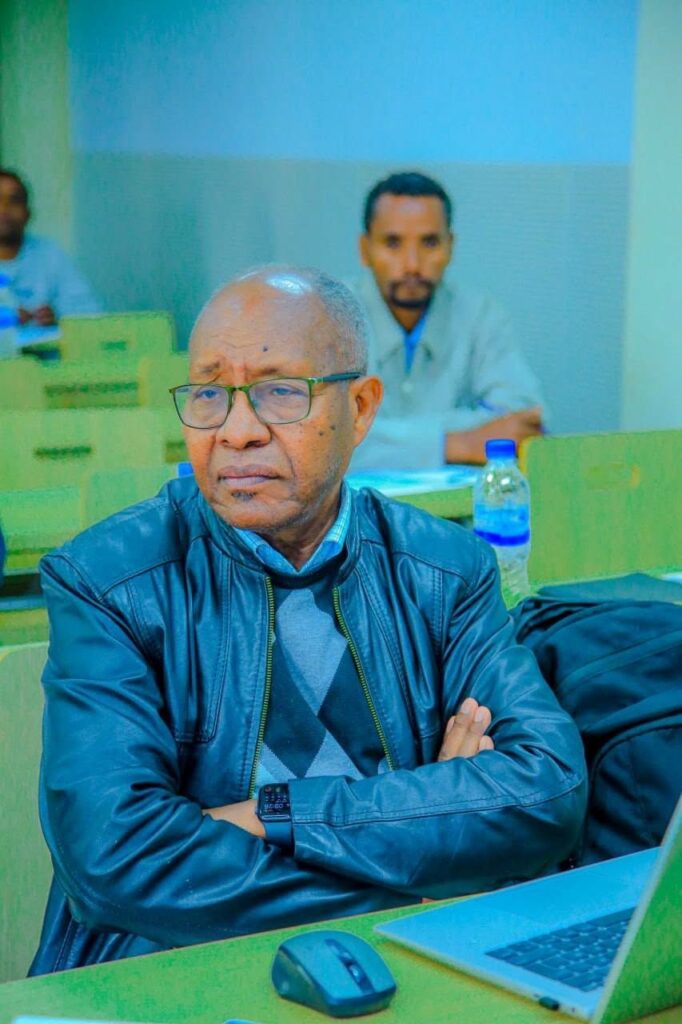
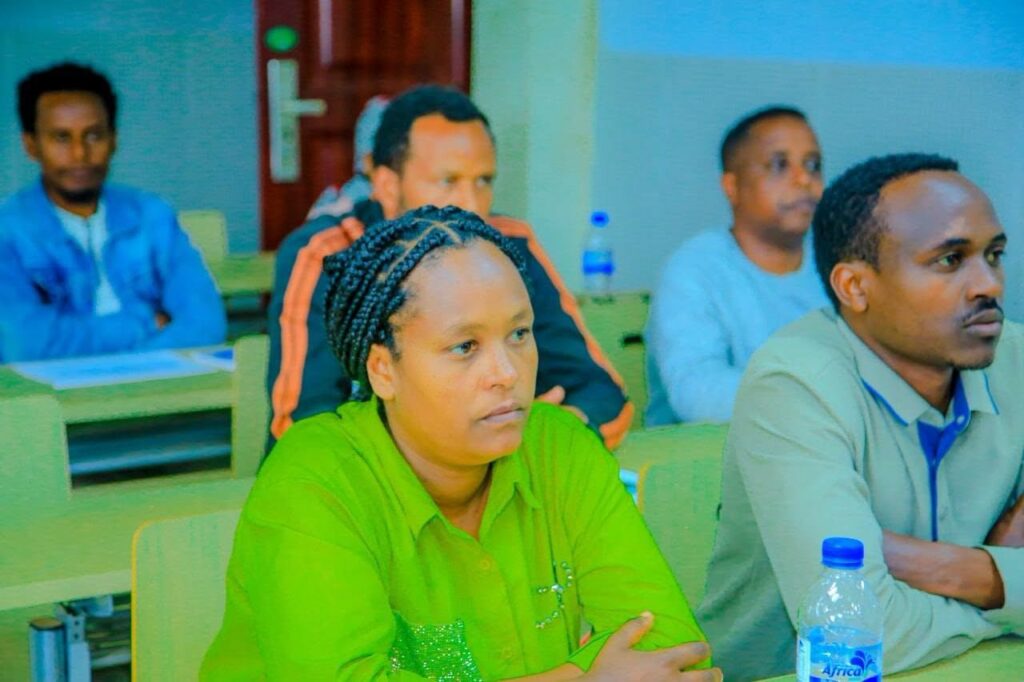
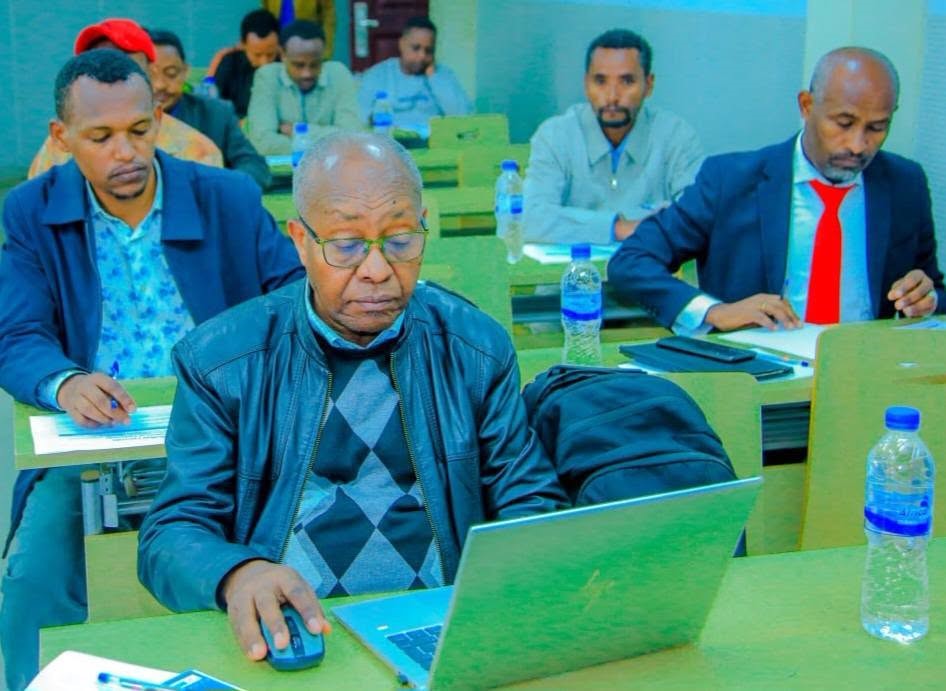
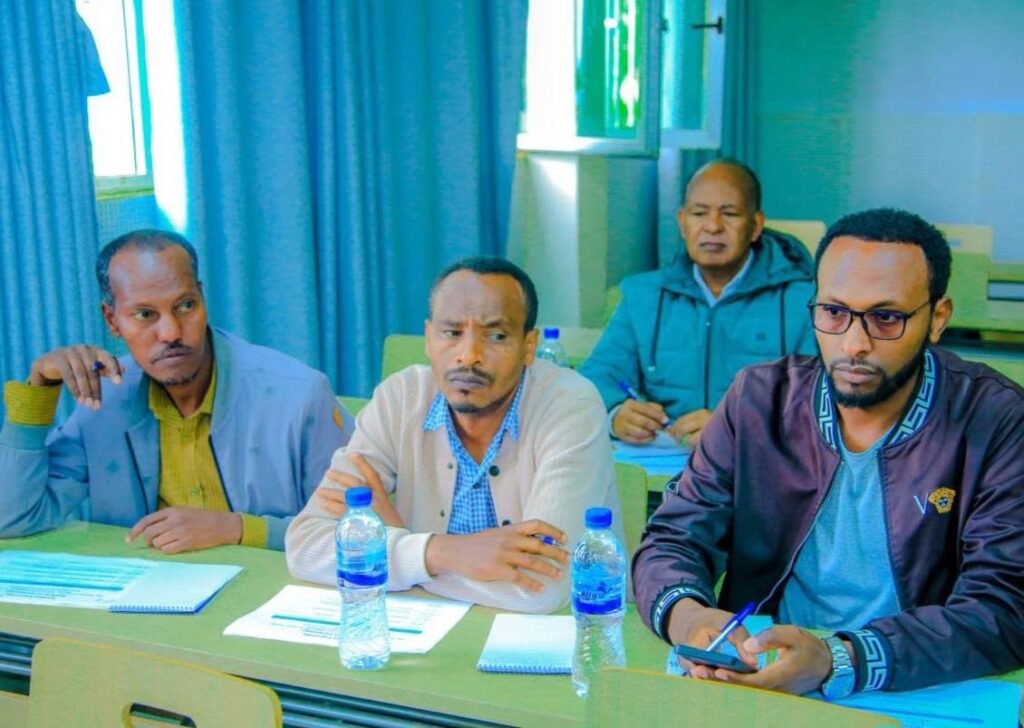
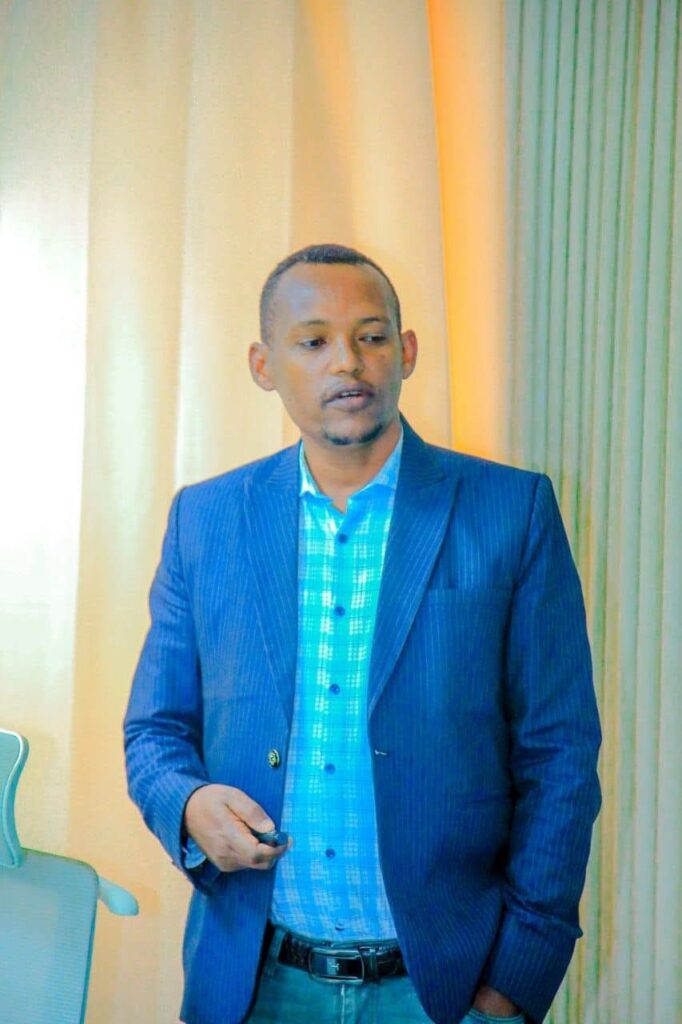
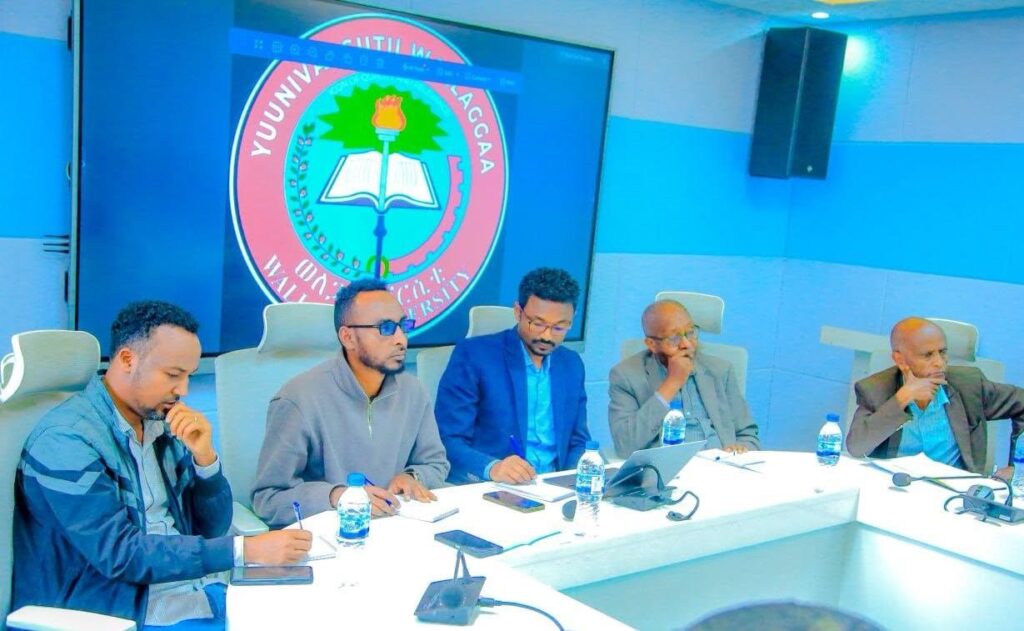
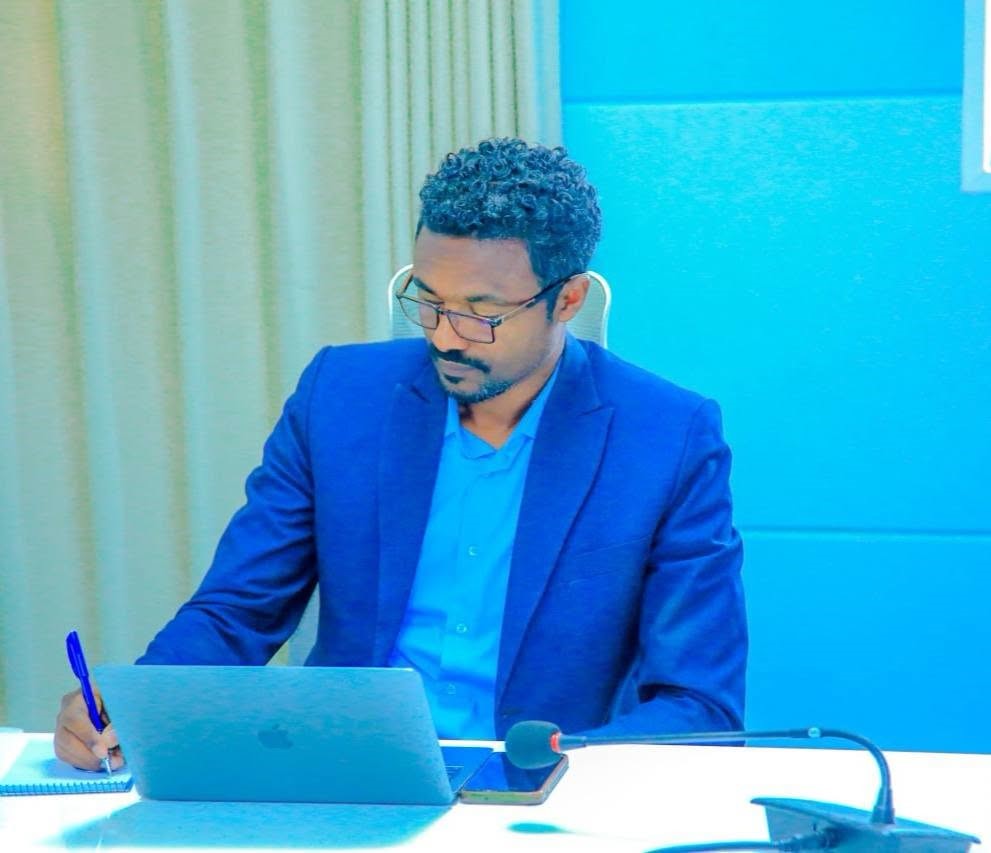
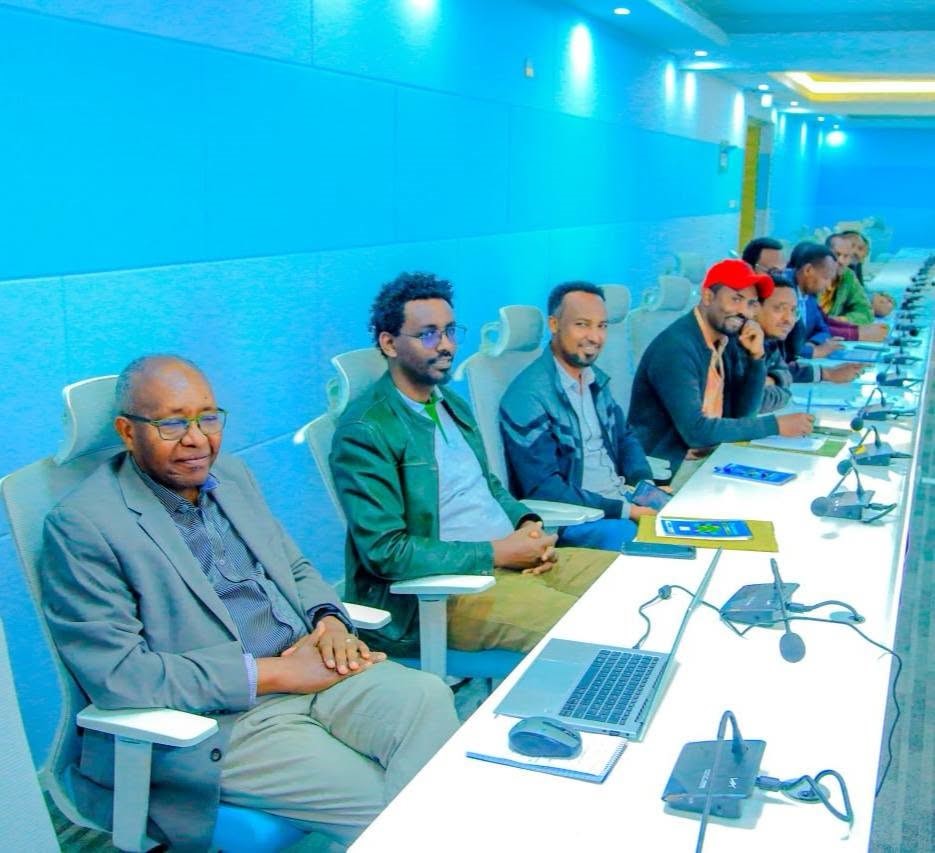
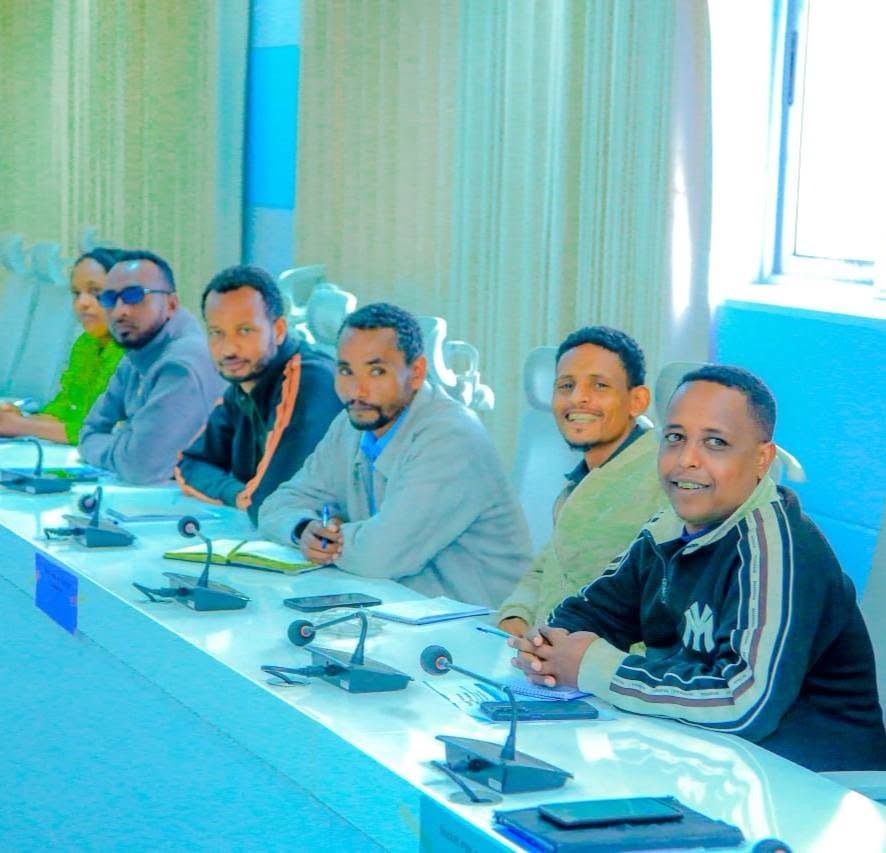
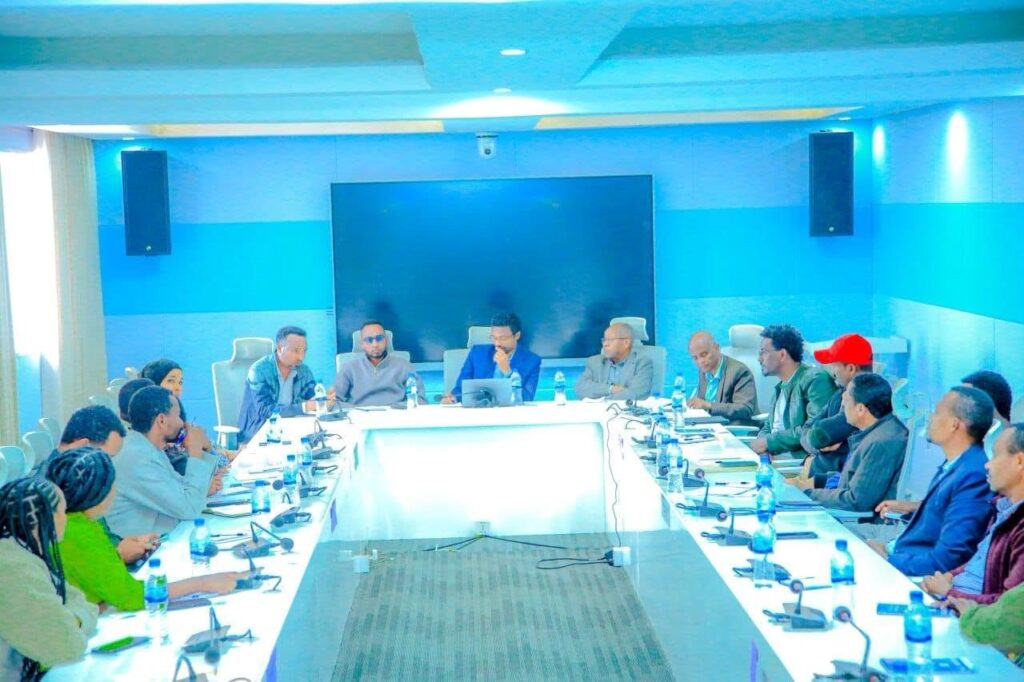
Wollega Institute of Technology (WIT), in collaboration with the INDMET Project, successfully organized a two-day workshop on “University-Industry/TVET Collaboration for Applied Teaching, Research, and Community Engagement.” The workshop brought together university leaders, academic staff, industry representatives, TVET institutions, researchers, and development partners to strengthen partnerships that support applied teaching, research, innovation, technology transfer, and community engagement.
The two-day workshop featured opening remarks, technical presentations, an interactive panel discussion, a synthesis of key takeaways, the signing of Memoranda of Understanding (MoUs) with partner institutions, and closing remarks. The program provided participants with an opportunity to exchange experiences, identify common challenges, share best practices, and develop practical strategies for strengthening collaboration among universities, industries, and TVET institutions in Ethiopia.
The workshop was officially opened by Dr. Diriba Diba, who emphasized that universities must evolve beyond their traditional roles of teaching and research to become drivers of innovation, technology transfer, and sustainable national development. He highlighted the importance of narrowing the gap between academic theory and industrial practice through collaborative research, co-teaching, community engagement, and stronger institutional partnerships. During the opening session, Dr. Endalkachew Mosisa welcomed participants, outlined the objectives of the workshop, and introduced the INDMET Project, highlighting its achievements in capacity building, academic mobility, applied research, gender mainstreaming, and institutional development.
The technical sessions began with a presentation by Dr. Endalkachew Mosisa entitled “Why Partnerships Matter? The INDMET Project Perspective.” He emphasized that effective collaboration among universities, industries, and TVET institutions is fundamental to improving graduate employability, developing industry-driven curricula, promoting applied research and innovation, facilitating technology transfer, and contributing to regional and national development. He called upon stakeholders to strengthen partnerships that transform research into practical solutions while producing graduates equipped with the knowledge, skills, and competencies required by the evolving labour market.
In his presentation on “University-Industry Linkage Office Activities at Wollega University,” Dr. Tamiru Olana discussed Ethiopia’s policy framework for university-industry collaboration under Proclamation No. 1298/2023 and the Higher Education, TVET and Research-Industry Innovation Linkage (HETRIIL) system. He emphasized that effective partnerships should move beyond the signing of Memoranda of Understanding by creating measurable outcomes through joint curriculum development, practical training, internships, applied research, innovation, consultancy services, and technology transfer. He further stressed that the success of institutional collaboration should ultimately be measured by the value it creates for students, industries, researchers, and society.
Representing the Ethiopian Roads Administration (ERA), Mr. Mengistu Tolesa delivered a presentation entitled “The Role of Industry in Applied Science and Engineering Education.” He highlighted the critical role of industry in strengthening practical education through internships, industrial attachment, curriculum improvement, joint research, technology transfer, and professional training. While acknowledging the opportunities for collaboration, he also identified challenges such as skills mismatches, limited research commercialization, inadequate laboratory collaboration, and weak institutional coordination, and proposed practical strategies for building stronger and more sustainable partnerships.
Presenting the TVET perspective, Mr. Gemechu Negasa of Arjo Polytechnic College delivered a presentation on “TVET Institutions on Joint Training and Resource Sharing.” He demonstrated how competency-based education, shared training facilities, staff exchange, student internships, applied research, innovation, entrepreneurship, and community engagement can strengthen workforce development and improve graduate competency. Drawing on the experiences of Arjo Polytechnic College, he illustrated how collaborative initiatives with industries, universities, government institutions, and local communities have contributed to technology transfer, practical training, and community development.
The workshop also benefited from an international perspective presented by Prof. Hirpa Lemu from the University of Stavanger, Norway, who shared “University-Industry/TVET Collaboration: Benefits, Norwegian Experience and Best Practices.” Drawing on the Norwegian experience, he demonstrated how structured internships, problem-based learning, industry-sponsored student projects, contract research, industrial PhD programs, and long-term institutional partnerships contribute to producing highly skilled graduates while strengthening innovation and knowledge transfer. He encouraged participants to adapt relevant international best practices to the Ethiopian context through sustained institutional commitment and continuous collaboration.
Across all presentations, a common message emerged that stronger collaboration among universities, industries, and TVET institutions is essential for improving the quality and relevance of higher education, promoting applied research, strengthening innovation and technology transfer, enhancing graduate employability, and addressing national development priorities. Participants agreed that institutional partnerships should move beyond formal agreements toward active, measurable, and sustainable collaboration capable of delivering tangible benefits to education, industry, and society.
The second day of the workshop featured an interactive panel discussion involving university leaders, industry representatives, TVET institutions, and international experts on strengthening university-industry-TVET partnerships for applied teaching, research, innovation, and community engagement. The discussion reinforced the importance of institutional commitment, coordinated planning, resource sharing, continuous follow-up, and collaborative implementation to ensure that partnerships produce lasting and measurable outcomes.
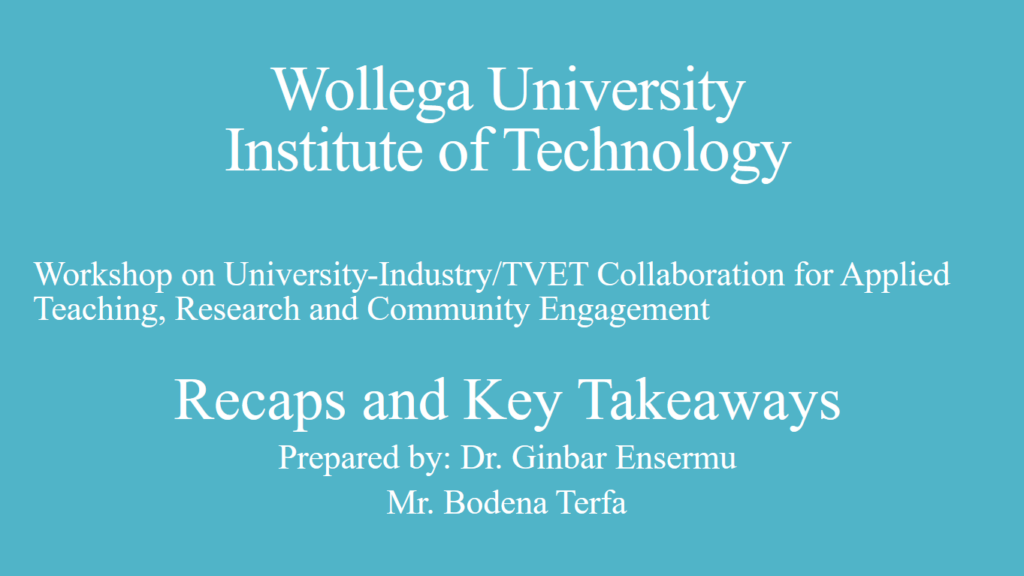
Following the panel discussion, Dr. Ginbar Ensermu and Mr. Bodena Terfa presented a synthesis of the workshop deliberations under the theme “Key Takeaways from the Discussion.” Their presentation summarized the major insights emerging from the technical sessions and panel discussion, emphasizing that effective collaboration should focus on strengthening applied teaching, promoting industry-responsive curricula, advancing problem-solving research, accelerating innovation and technology transfer, enhancing graduate employability, expanding community engagement, and establishing sustainable institutional partnerships that contribute to regional and national development.
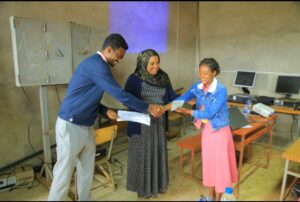
One of the major outcomes of the workshop was the signing of Memoranda of Understanding (MoUs) between Wollega University and partner institutions, reaffirming a shared commitment to strengthening collaboration in applied teaching, research, innovation, technology transfer, and community engagement. The MoUs are expected to provide a stronger institutional framework for future cooperation in academic programs, research, practical training, innovation, and community service.
Delivering the closing remarks, Dr. Diriba Diba, Delegate of the President of Wollega University, expressed appreciation to the organizers, presenters, panelists, participants, and partner institutions for their valuable contributions to the success of the workshop. He reaffirmed the University’s commitment to strengthening strategic partnerships and called upon all stakeholders to transform the commitments made during the workshop into concrete actions that deliver lasting benefits for education, industry, and the wider community.
The workshop marked another important milestone in Wollega University’s ongoing efforts to strengthen collaboration with industries, TVET institutions, government organizations, and development partners. By fostering practical partnerships and promoting applied teaching, research, innovation, and technology transfer, the University continues to advance its mission of producing competent graduates, addressing societal challenges through knowledge and innovation, and contributing to sustainable national development.