School of Mechanical and Material Engineering

The School of Mechanical and Material Engineering at Wollega Institute of Technology (WIT), Wollega University, provides education and training in mechanical engineering, materials engineering, manufacturing, thermal engineering, industrial engineering, and energy systems. The School promotes practical engineering skills, research, innovation, and industry collaboration to prepare competent graduates who contribute to industrial development and sustainable technological advancement.

Mr. Lemi Negera

Dean, School of Mechanical and Material Engineering

Holds an MSc in Thermal Systems Engineering and a BSc in Mechanical Engineering, specializing in Thermal Engineering. His professional interests include thermal systems, energy engineering, heat transfer, thermodynamics, sustainable energy technologies, teaching, research, and academic leadership.

lemin@wollegauniversity.edu.et

+251 921 758 995

Teaching and Academic Programs

Coordinate undergraduate and postgraduate programs, curriculum development, student advising, assessment, academic performance monitoring, and quality assurance.

Research and Innovation

Promote engineering research, technology development, postgraduate studies, and practical solutions to industrial and community challenges.

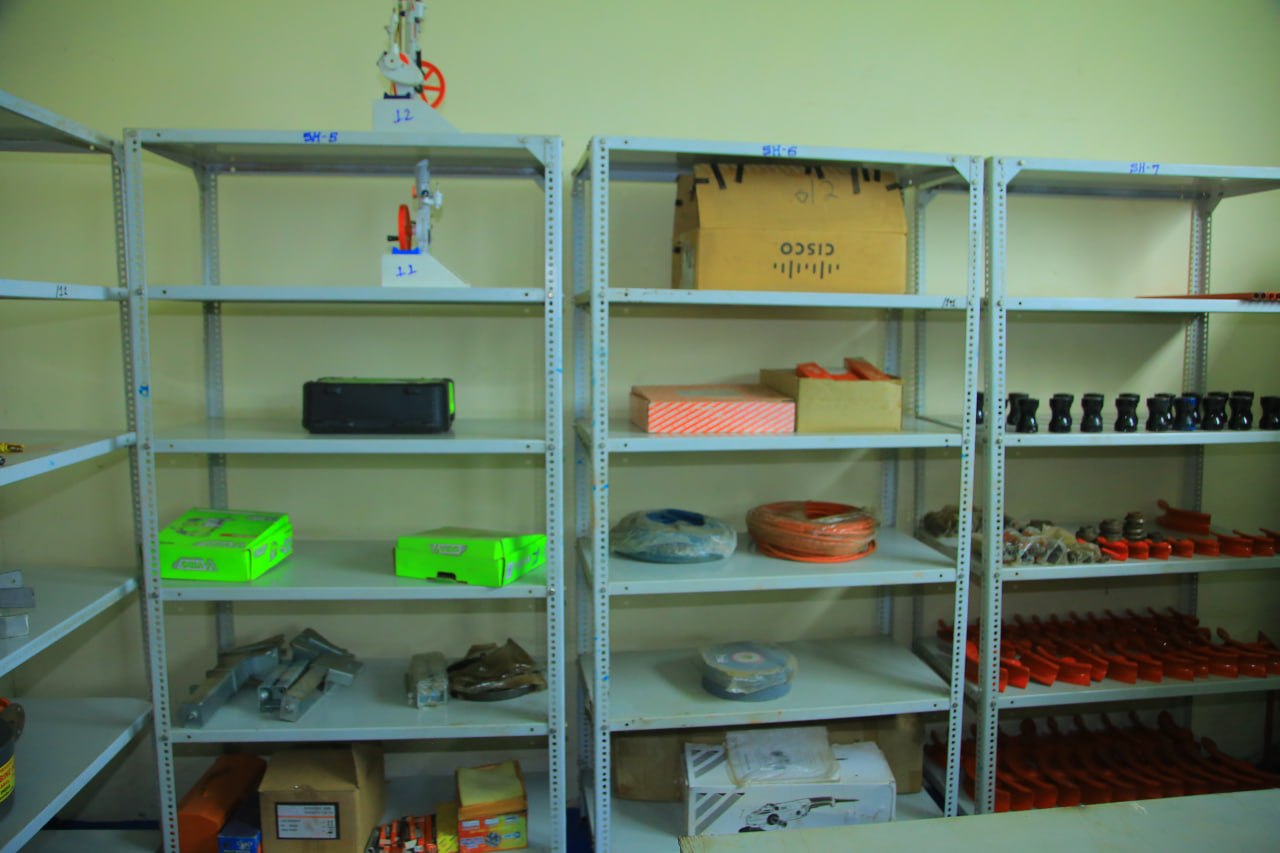
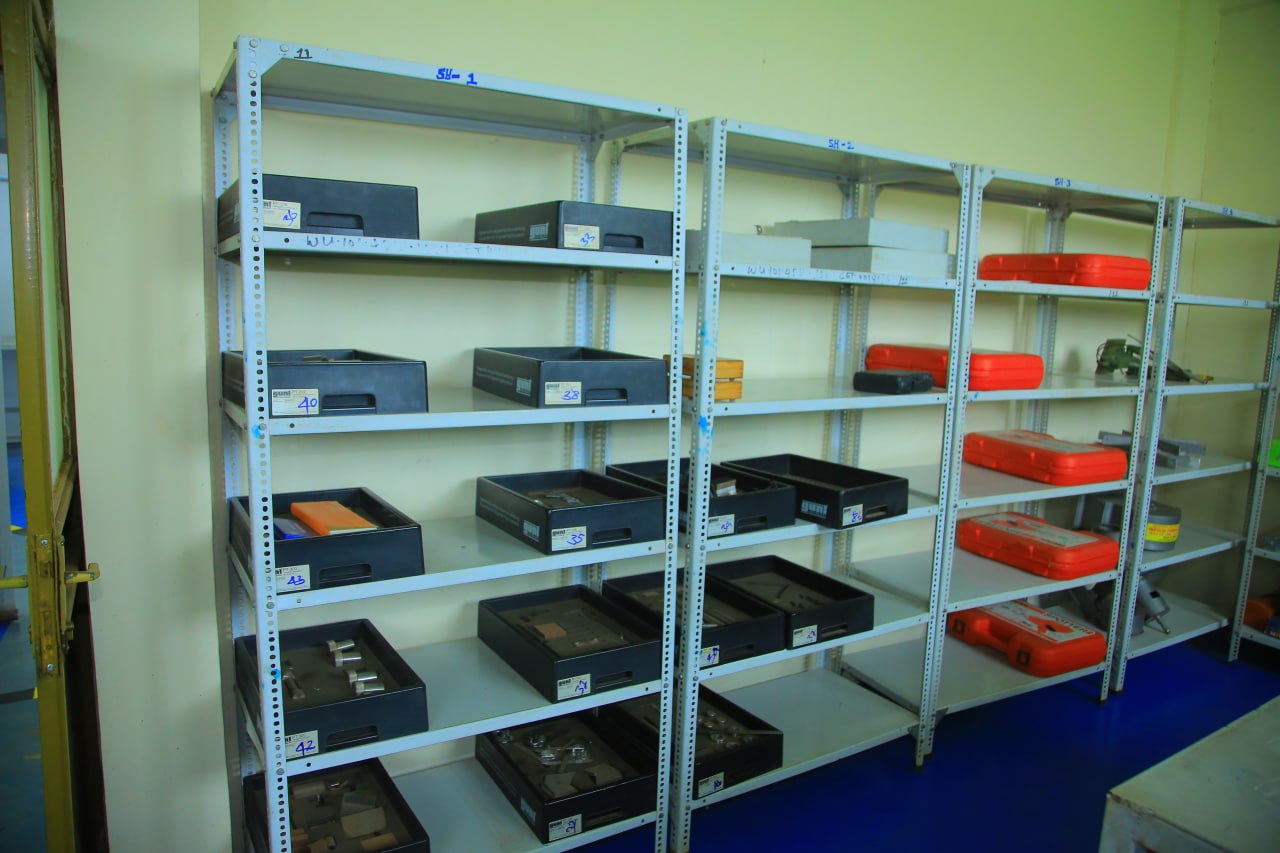
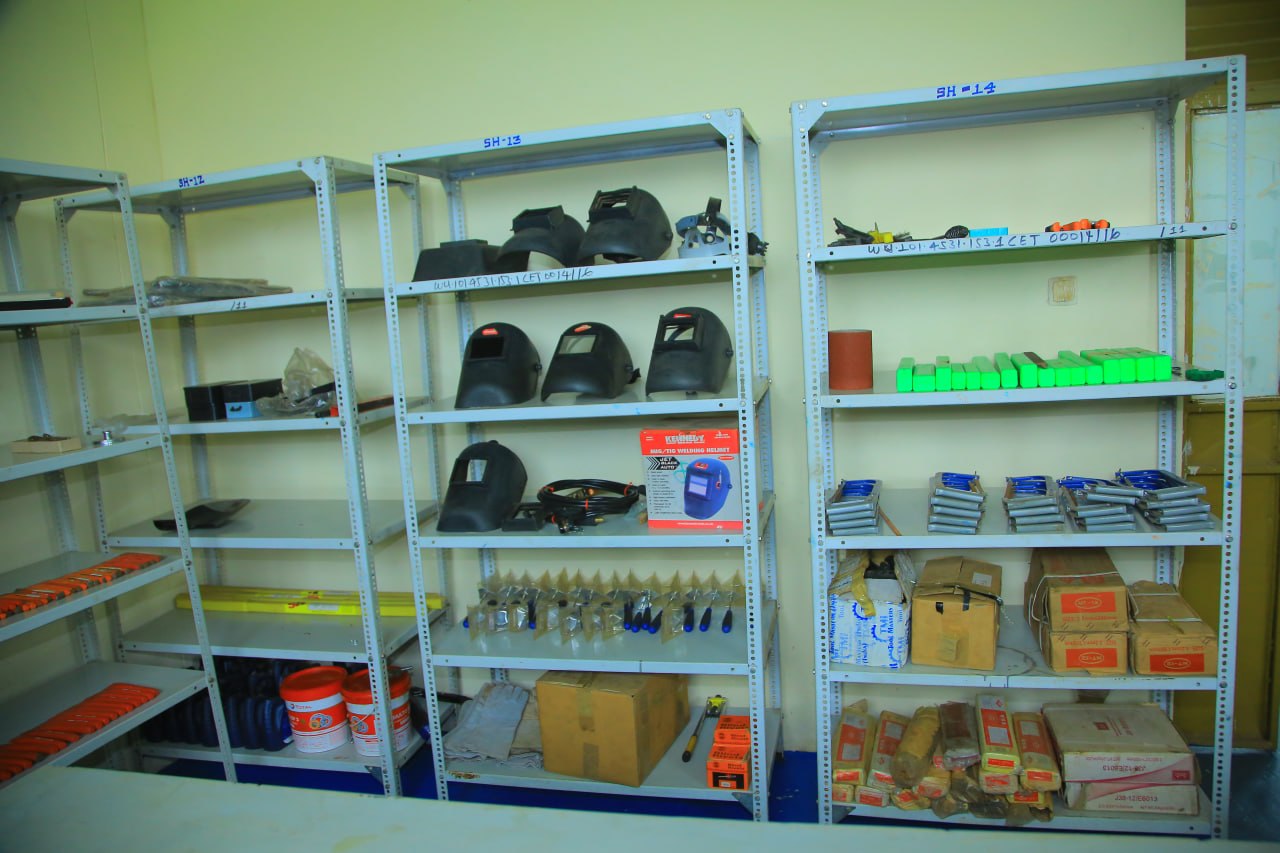
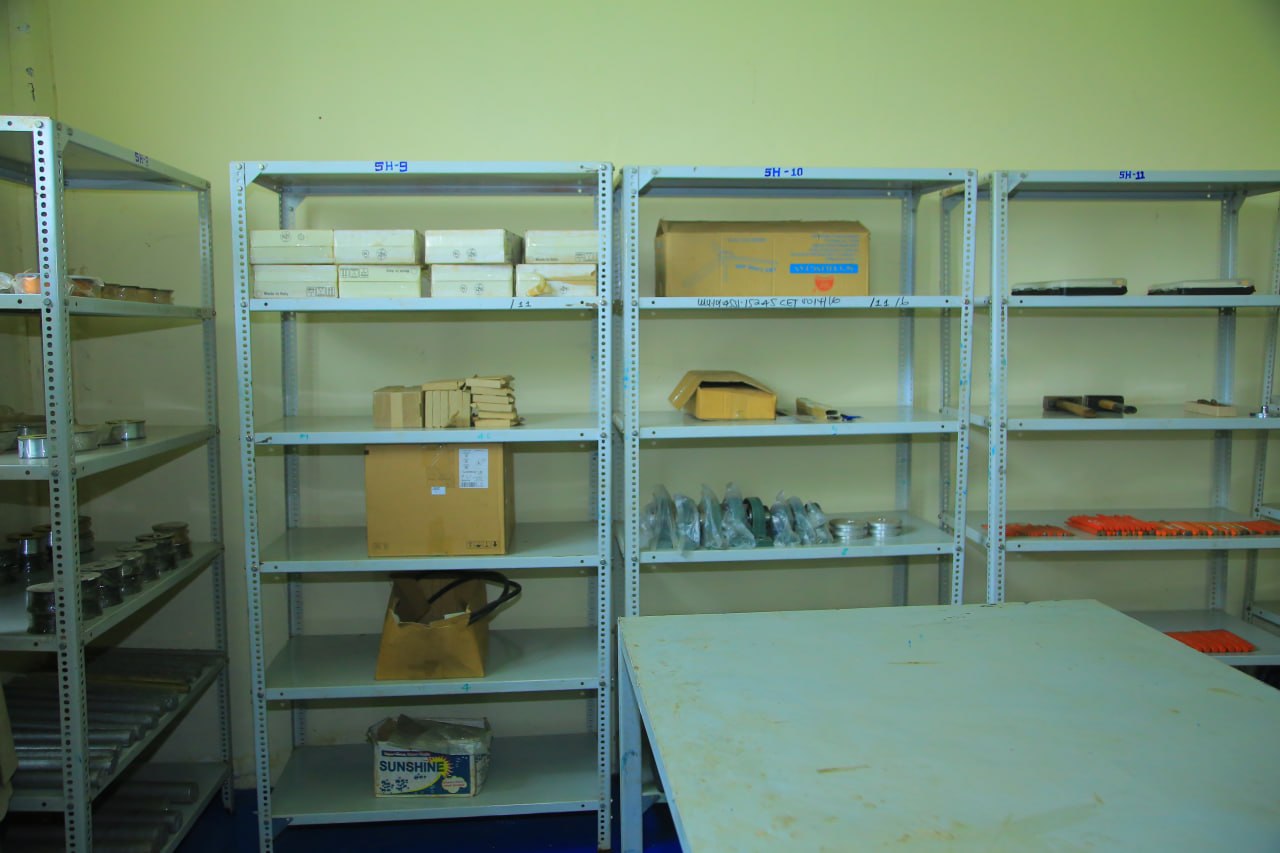
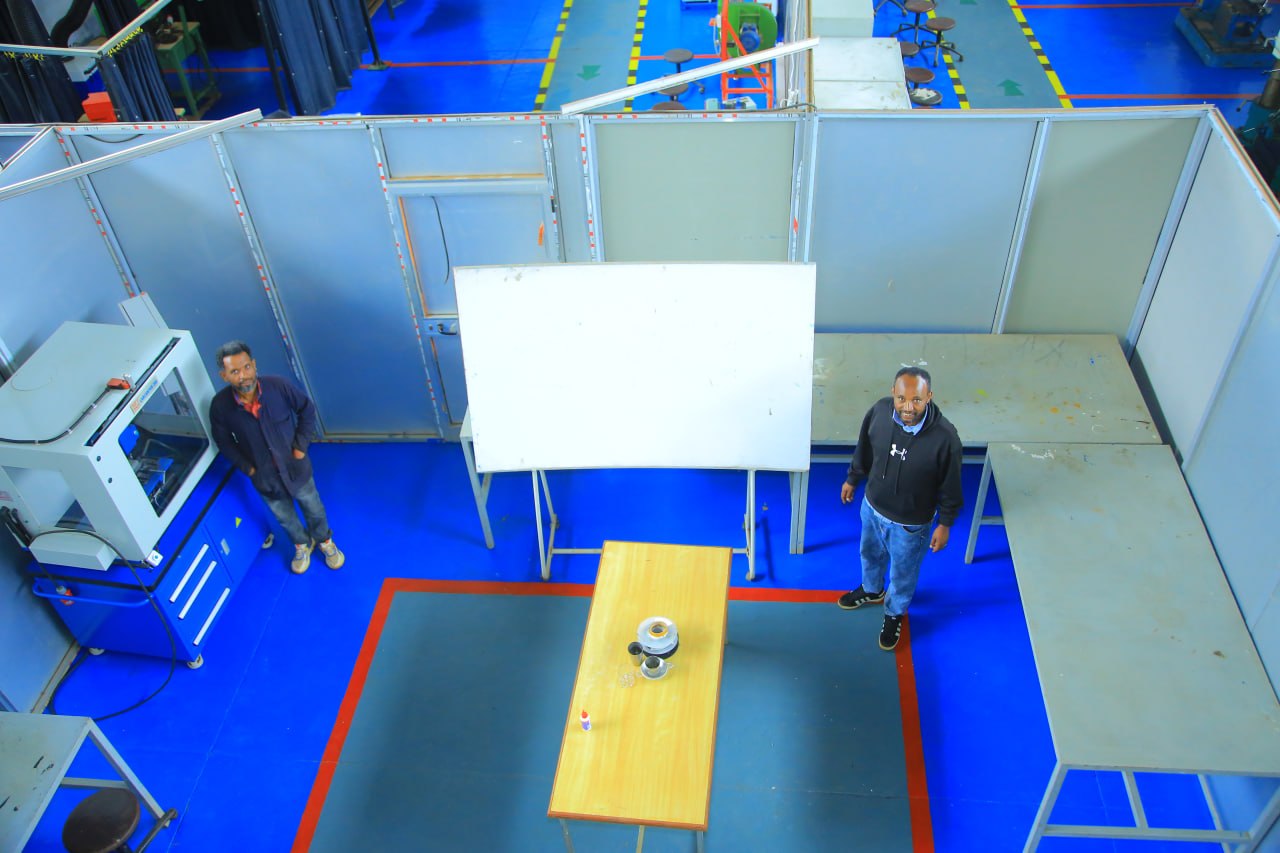
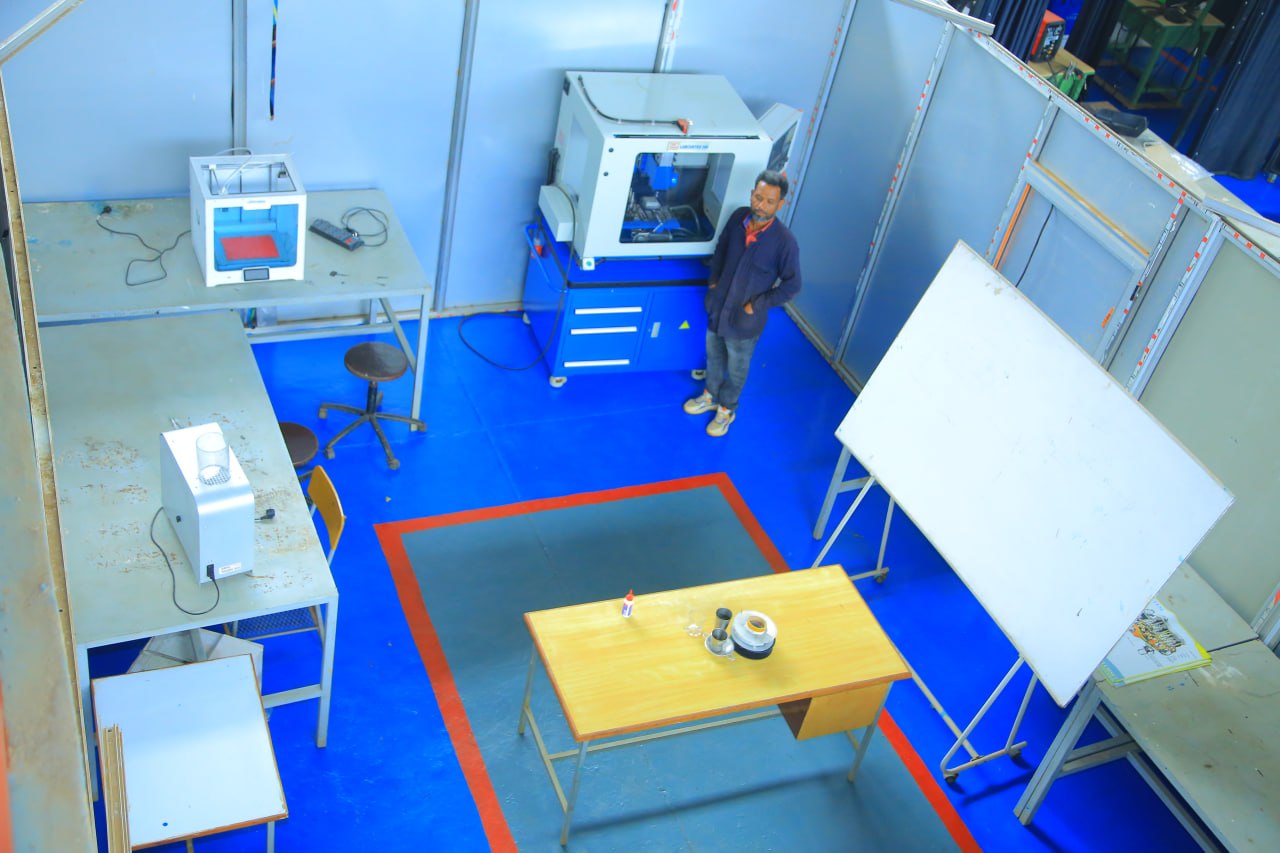
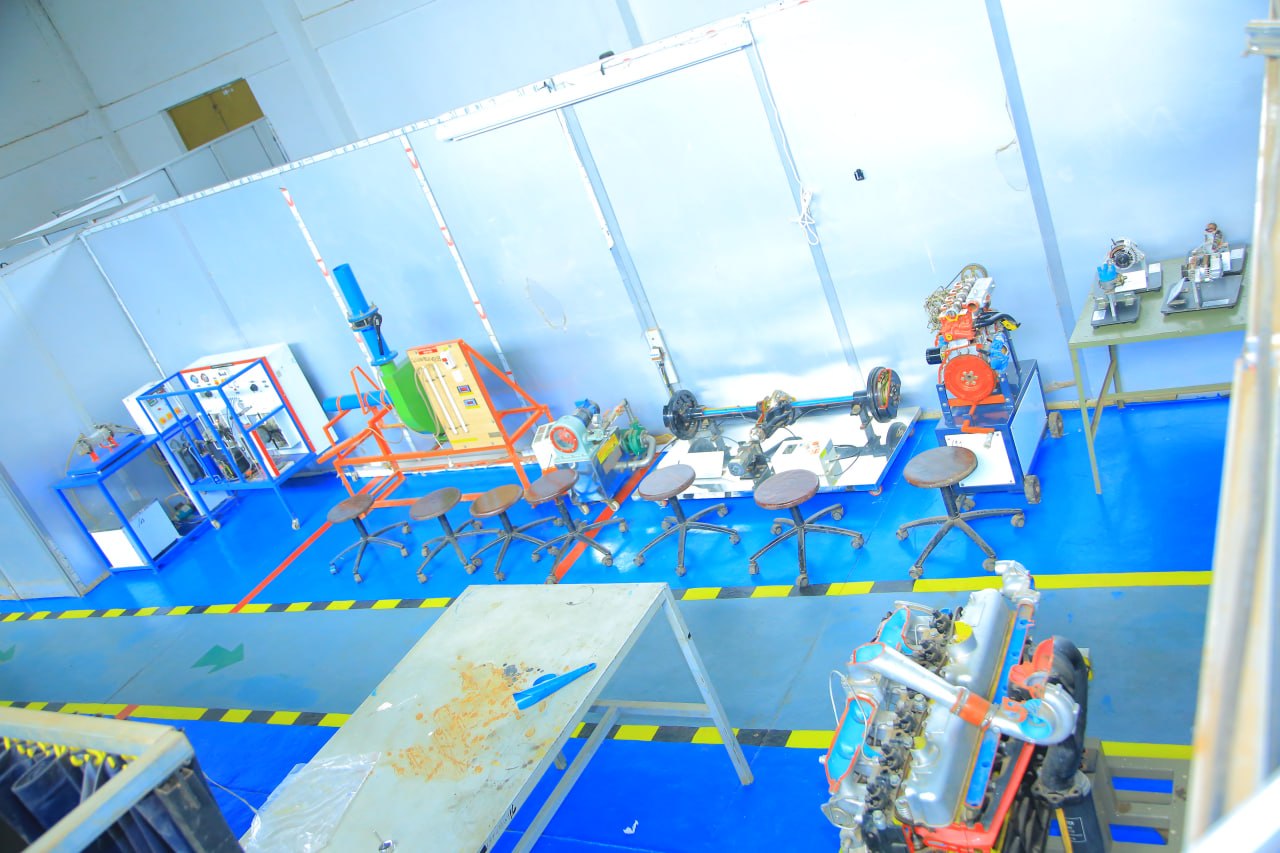
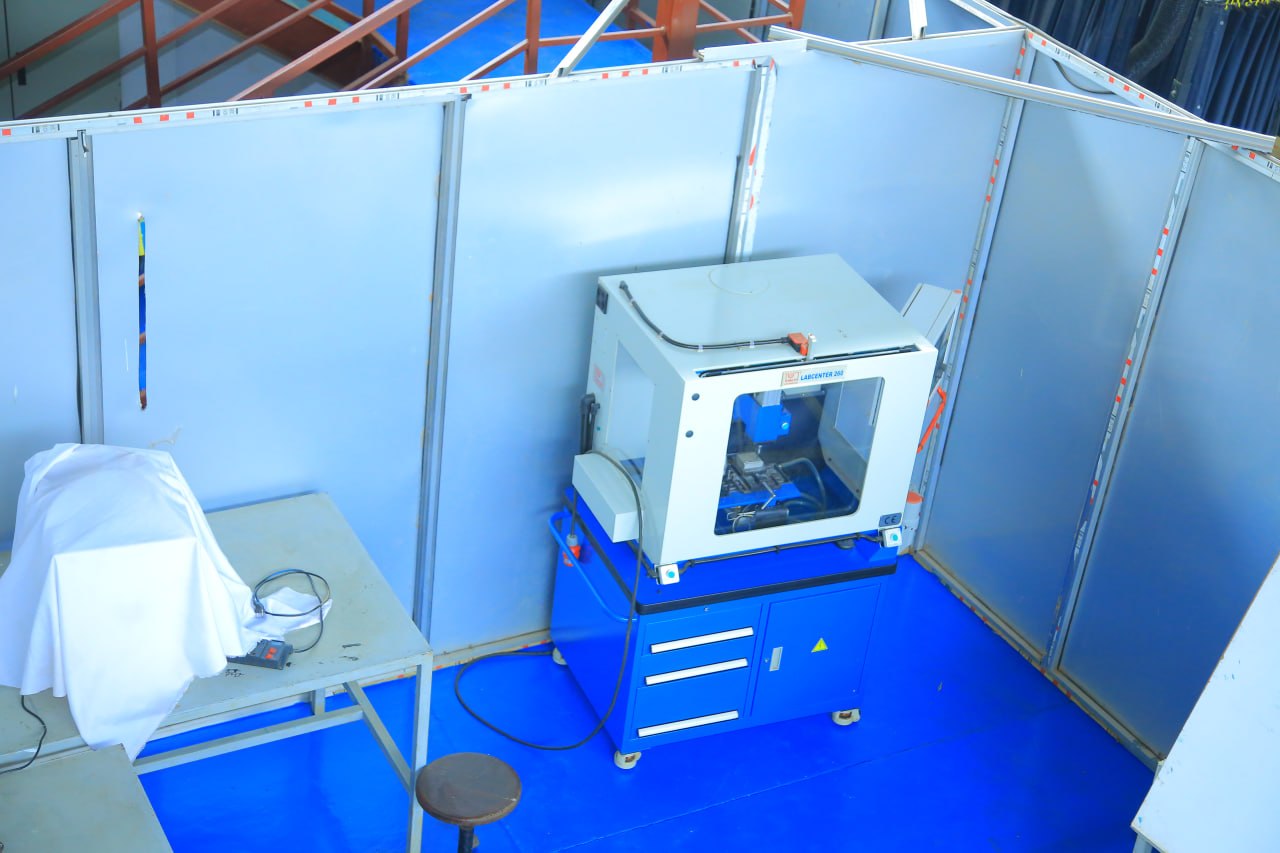
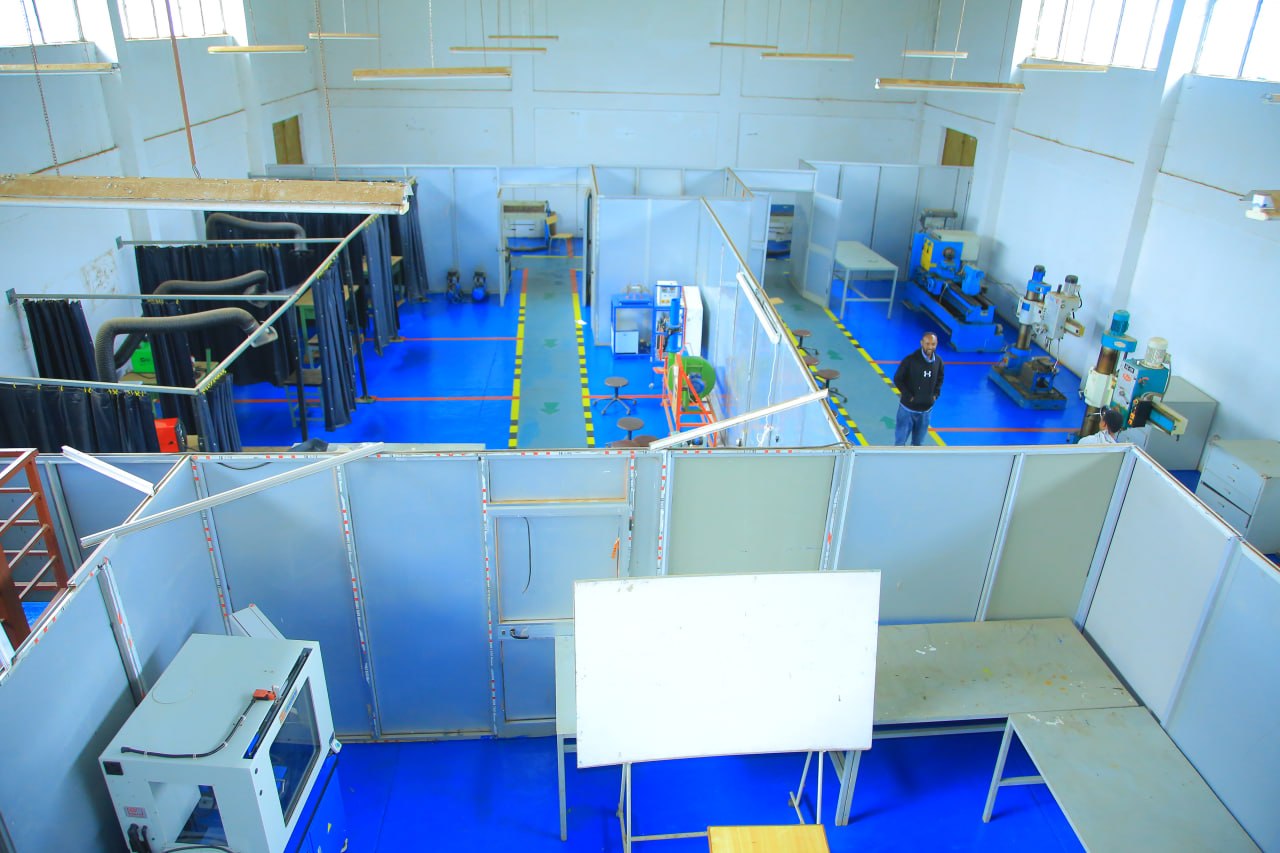
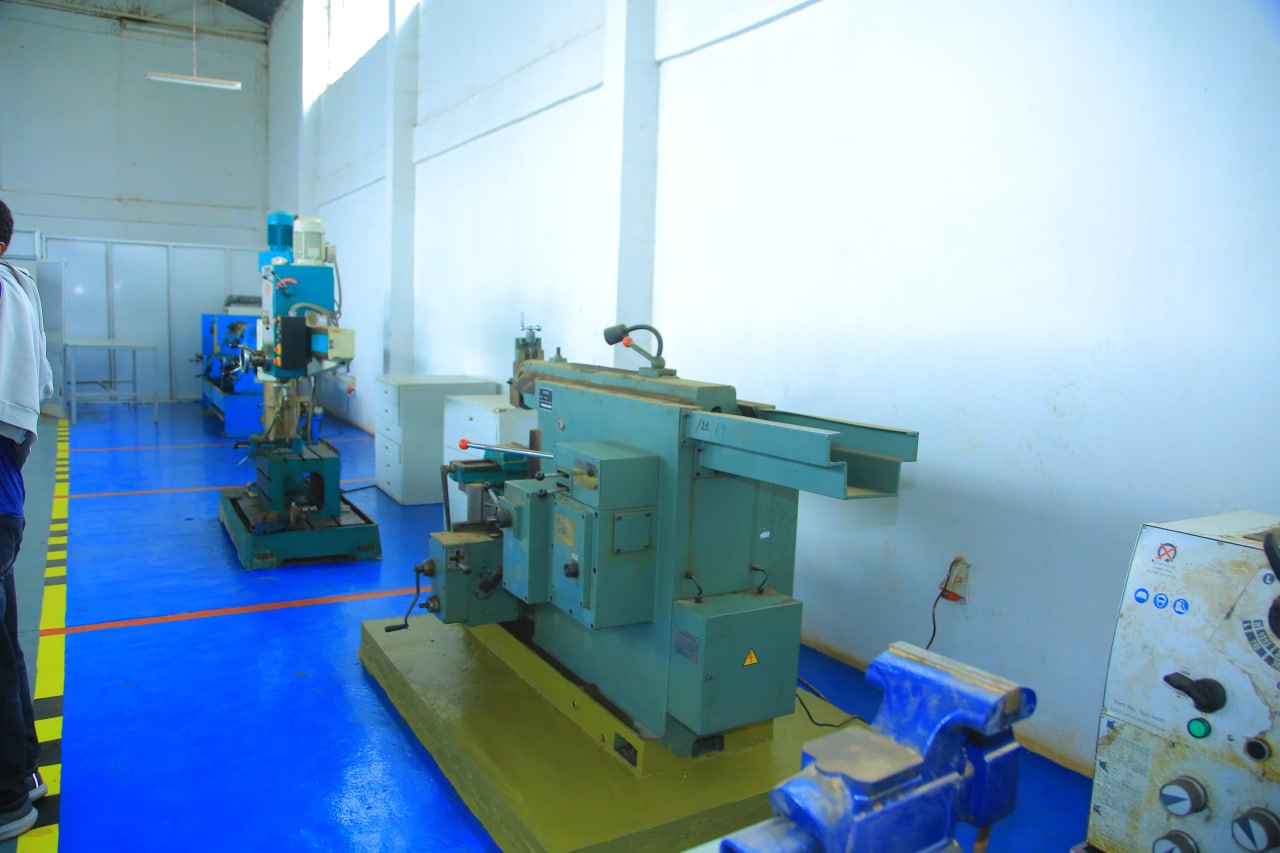
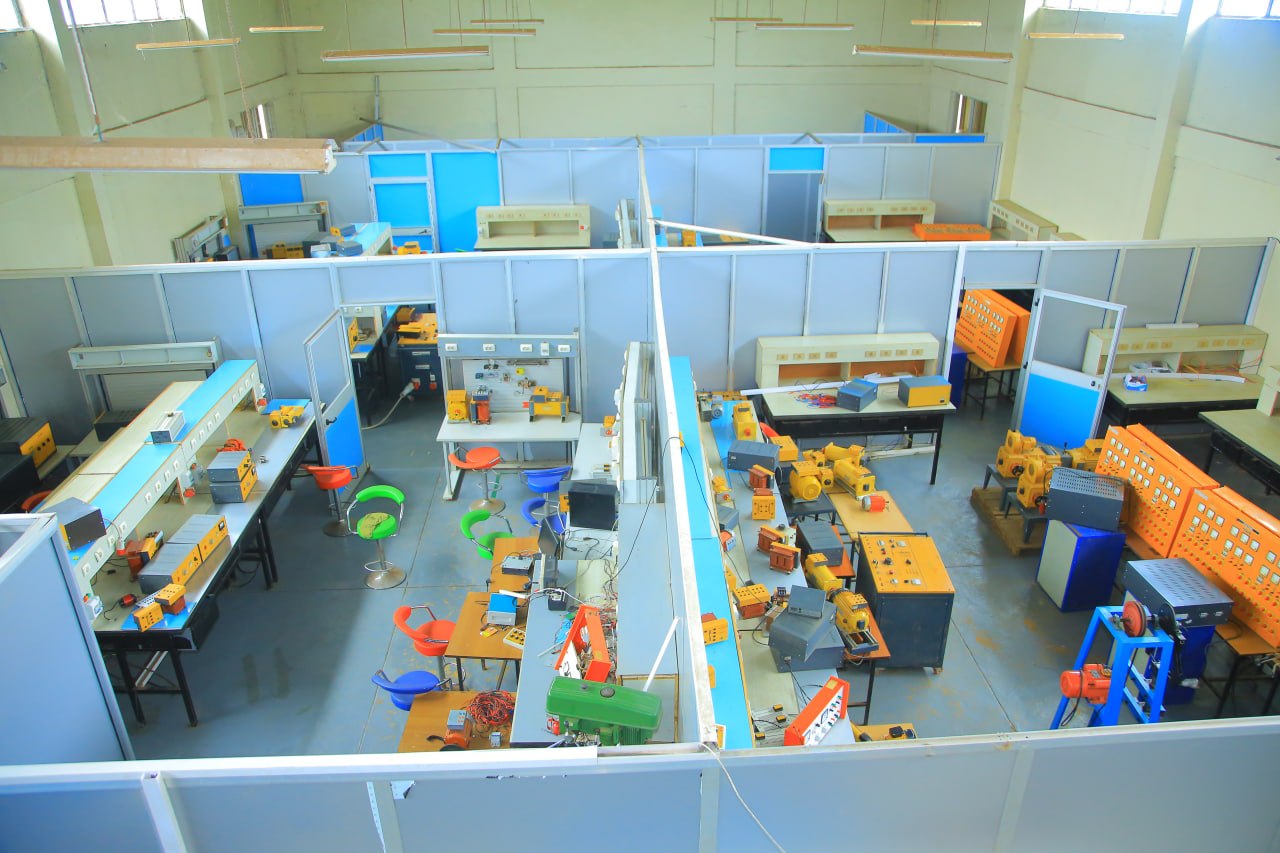
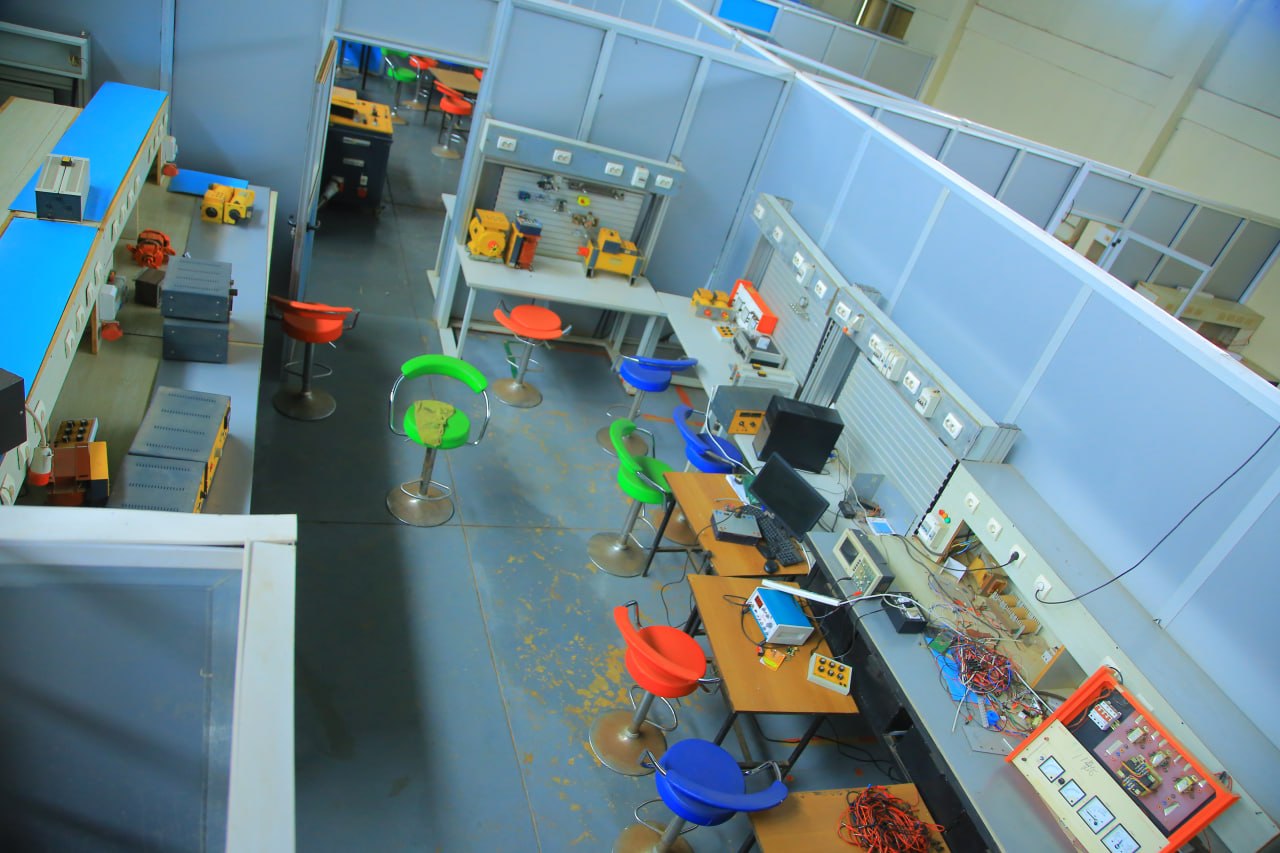
Laboratories and Workshops

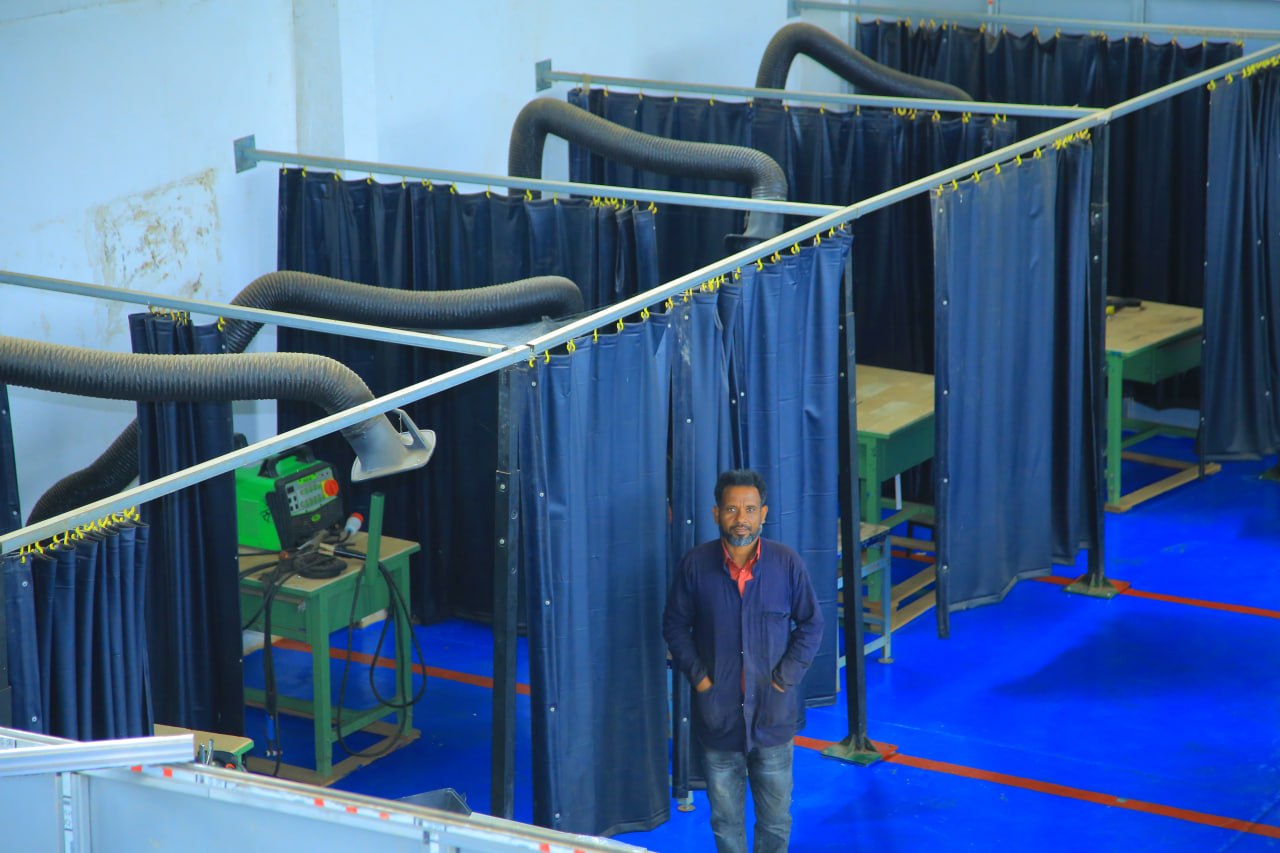
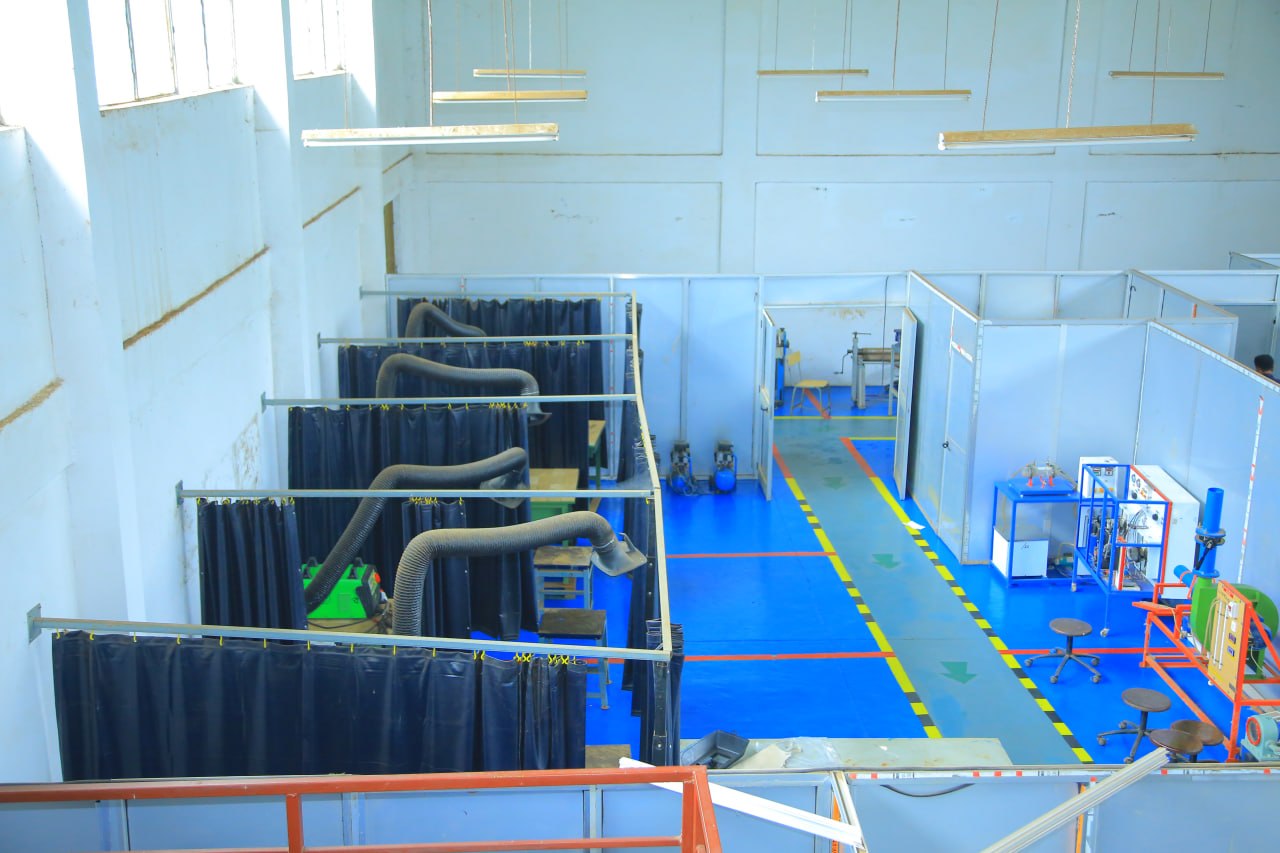
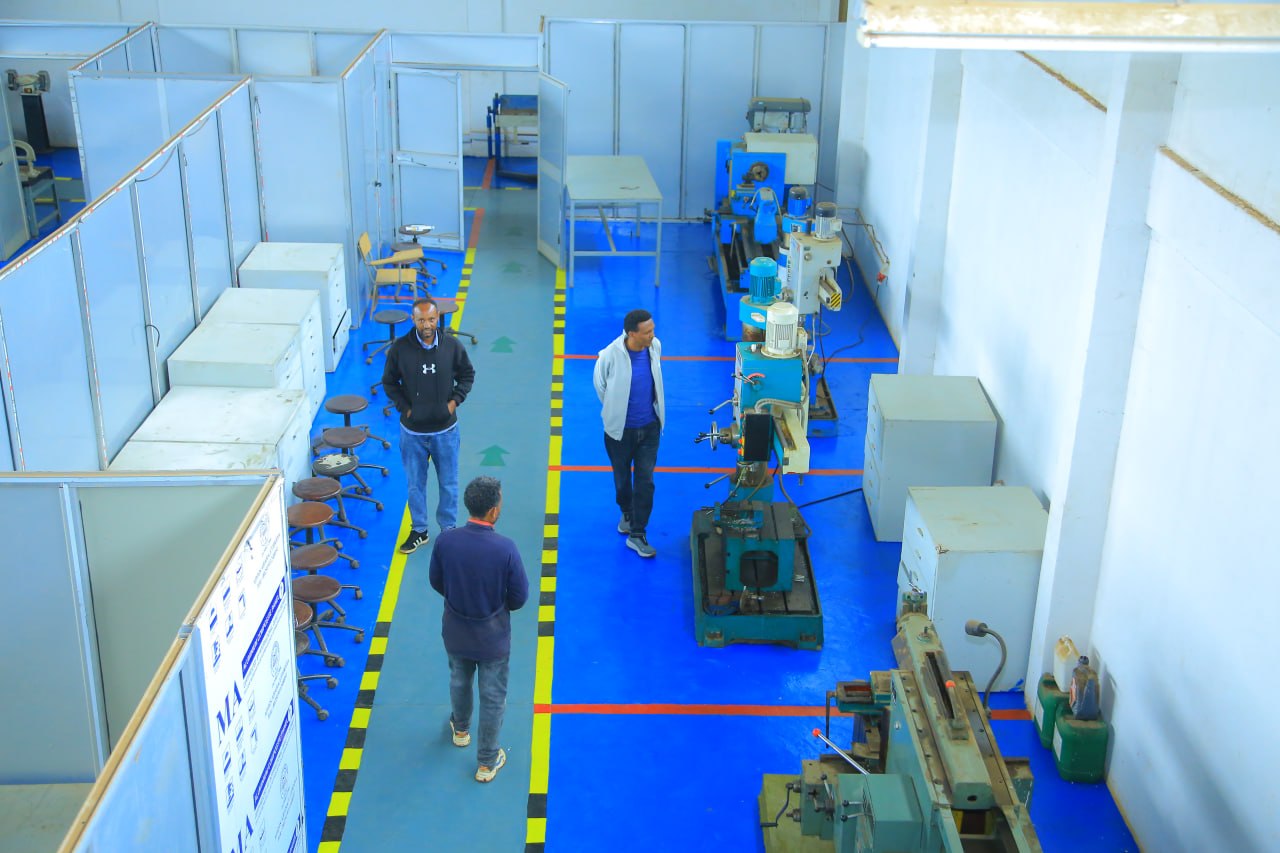
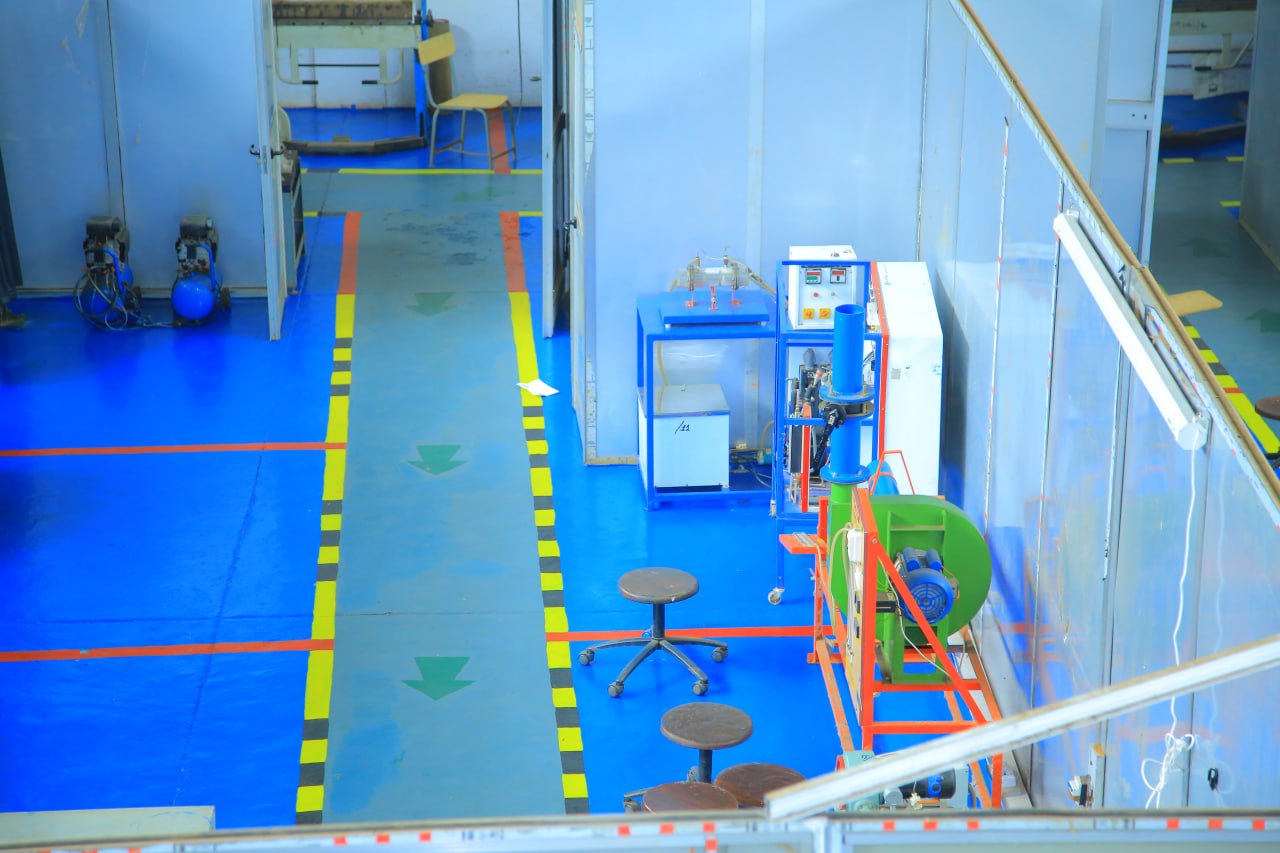
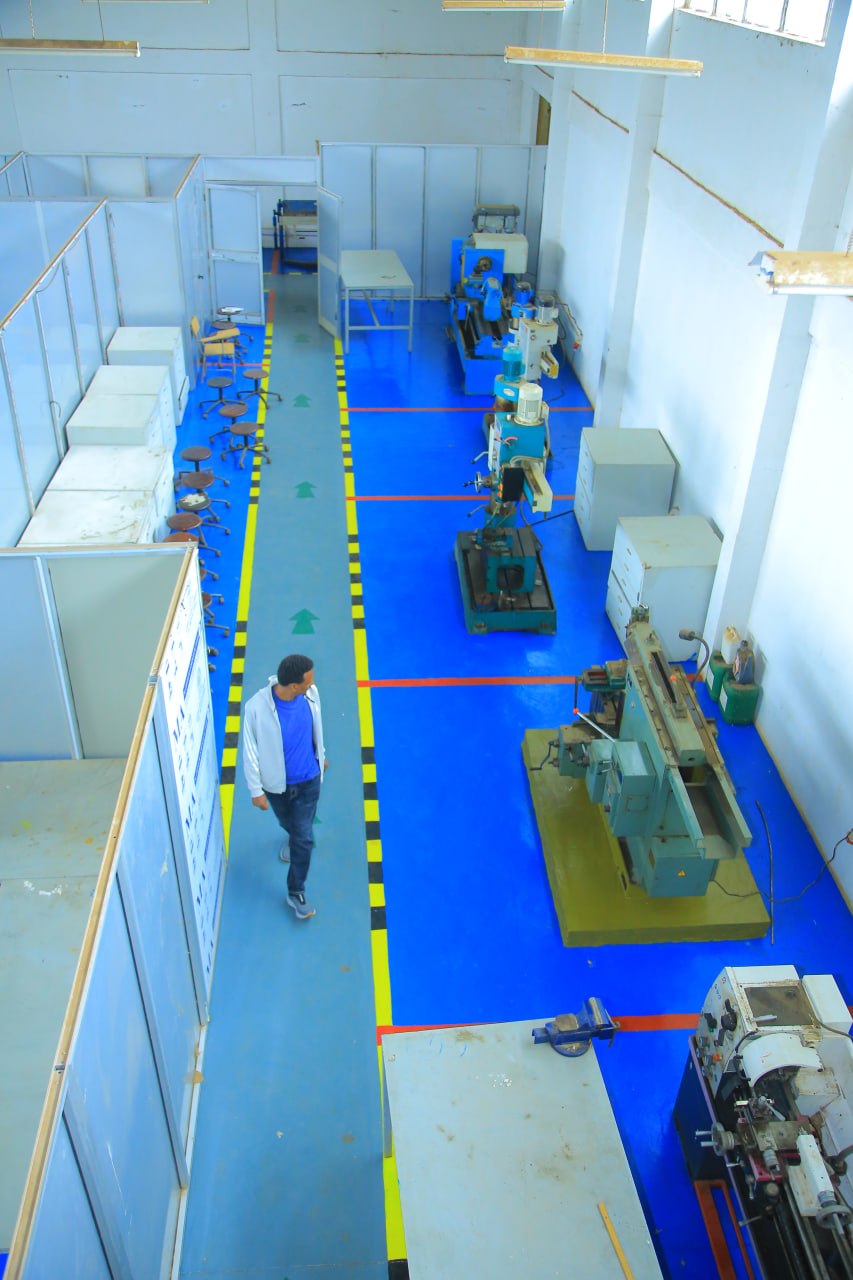
Coordinate laboratory and workshop facilities, equipment, practical training, safety, maintenance, and accreditation-related activities.

Industry and Community Engagement

Strengthen industrial partnerships, internships, consultancy, technical services, technology transfer, and community-based engineering solutions.

The School supports engineering education and practical training through:

  • Academic services: Teaching, student advising, project supervision, and postgraduate research.

  • Technical services: Engineering design, fabrication, machining, welding, and materials testing, subject to available facilities and expertise.

  • Training and consultancy: Laboratory training, industrial attachment, professional development, and technical problem-solving.

  • Research and technology development: Prototype development, manufacturing improvements, energy systems, and applied engineering research.

  • Quality assurance: Curriculum review, laboratory improvement, program evaluation, and accreditation preparation.

Academic Development

Reviewed the BSc Mechanical Engineering curriculum to strengthen practical competencies, engineering problem-solving, industrial relevance, and outcome-based learning.

Workshop and Laboratory Improvement

Organized workshop areas, improved equipment arrangement and safety measures, and initiated equipment and material procurement to strengthen practical training and accreditation readiness.

Graduate Development

Continues to produce Mechanical Engineering graduates and has implemented tutorials, model examinations, and focused academic support to improve national exit examination performance.

Industry and Community Engagement

Strengthen industrial partnerships, internships, consultancy, technical services, technology transfer, and community-based engineering solutions.

Available Facilities

Continuing Improvement Priorities

The School continues to work on workshop accreditation and certification, laboratory development, equipment acquisition, curriculum implementation, industry-based practical learning, and improved student academic performance.