Department of Surveying Engineering
The Department of Surveying Engineering at Wollaga University was established in 2014 (2006 E.C) with a visionary mandate: to train the highly skilled professionals required to map, plan, and build the nation’s rapidly expanding infrastructure. As the foundational discipline for all civil, structural, and environmental developments, Surveying Engineering plays a critical role in unlocking the country’s vast land and geospatial potential.
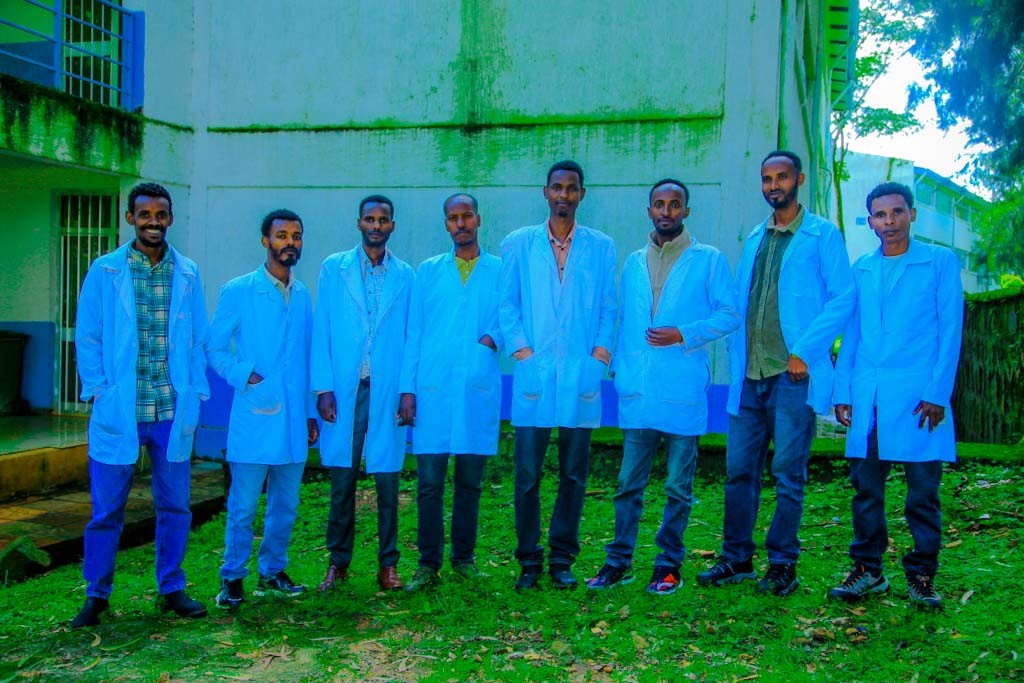
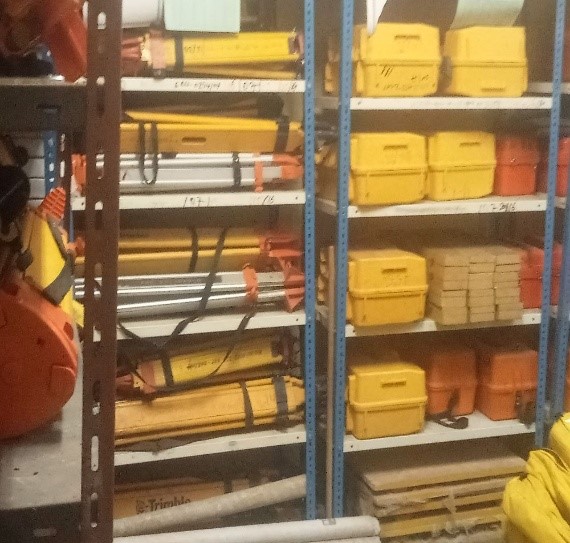
While the department launched its teaching program with a modest team and limited educational resources, it has undergone a remarkable transformation. Today, it stands as one of the most vibrant and fully dedicated departments at Wollaga University. We boast a robust roster of highly qualified, specialized faculty members and modernized surveying equipment facilities equipped to meet international standards. Currently the department runs by a total of 18 academic staff (11 MSc holders in different specialization, and 7 BSc).
Program Description
Surveying Engineering department shall become a model department in the country which emphasizes economic development and department-enterprise cooperation, and model for excellence in teaching, learning and applied research to play a leading role in building of the nation.
Rationale, Objectives, Outcome of the Program
Program Rationale
The Rationale of the program is to Promote a strong sense of ethics and professionalism in the fields of surveying and mapping, to Produce an engineer who plan, manage, monitor and evaluate the operation in any cadastral and mapping surveys, to Produce an engineer who undertakes reconnaissance, preliminary and construction activities in civil engineering, irrigation and construction projects, to Produce an engineer who applies basic mathematical, scientific, legal and measurement principles that form the theoretical framework of professional surveying practice.
Objectives
The objective of the program is to produce well-balanced engineers with up-to-date engineering knowledge & skills, and high aspirations to excellence, poverty alleviation and leadership, to conduct and foster creative research by addressing the needs of industry, government and the scientific community, To render consultancy services to the community.
Program Outcome
The ability to select and apply the knowledge, techniques, skills, and modern tools of their disciplines to broadly-defined engineering technology activities, an ability to select and apply a knowledge of mathematics, science, engineering, and technology to engineering technology problems that require the application of principles and applied procedures or methodologies, able to conduct standard tests and measurements; to conduct, analyze, and interpret experiments; and to apply experimental results to improve processes
Programs Detail
Head of Department
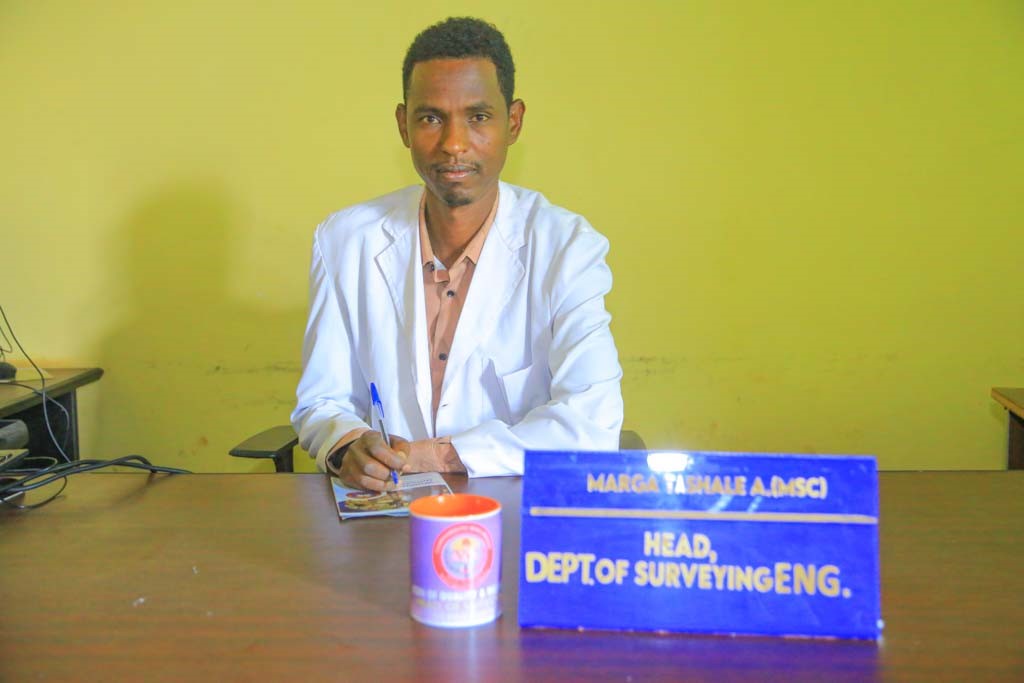
Marga Teshale
Surveying Engineering Department Head
Email: margatashale@gmail.com
Phone Number: 0917854056
Staff