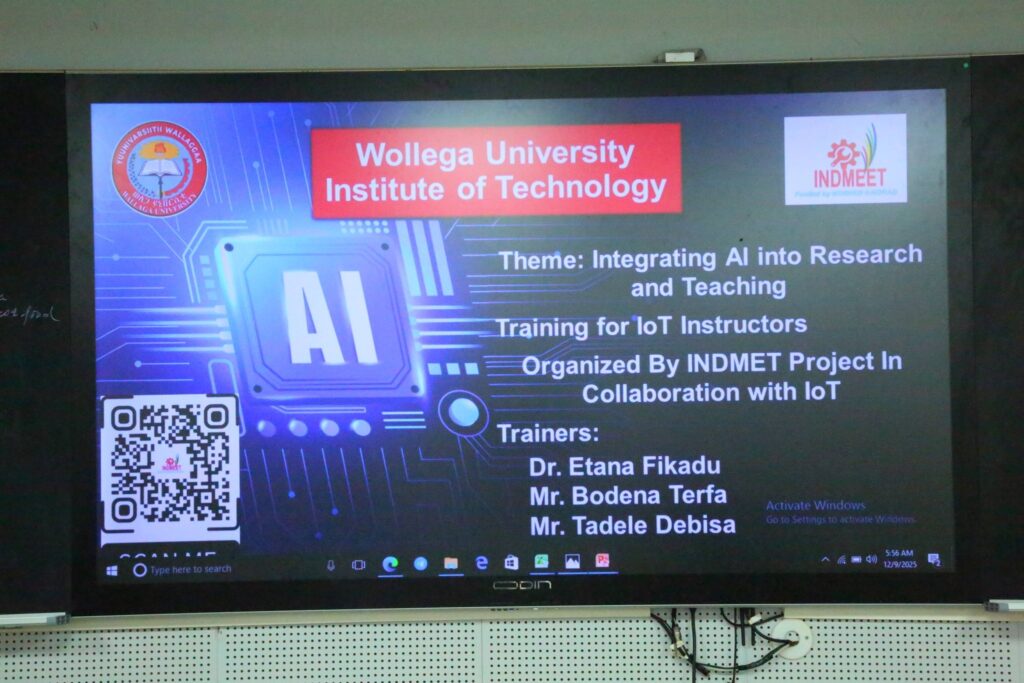
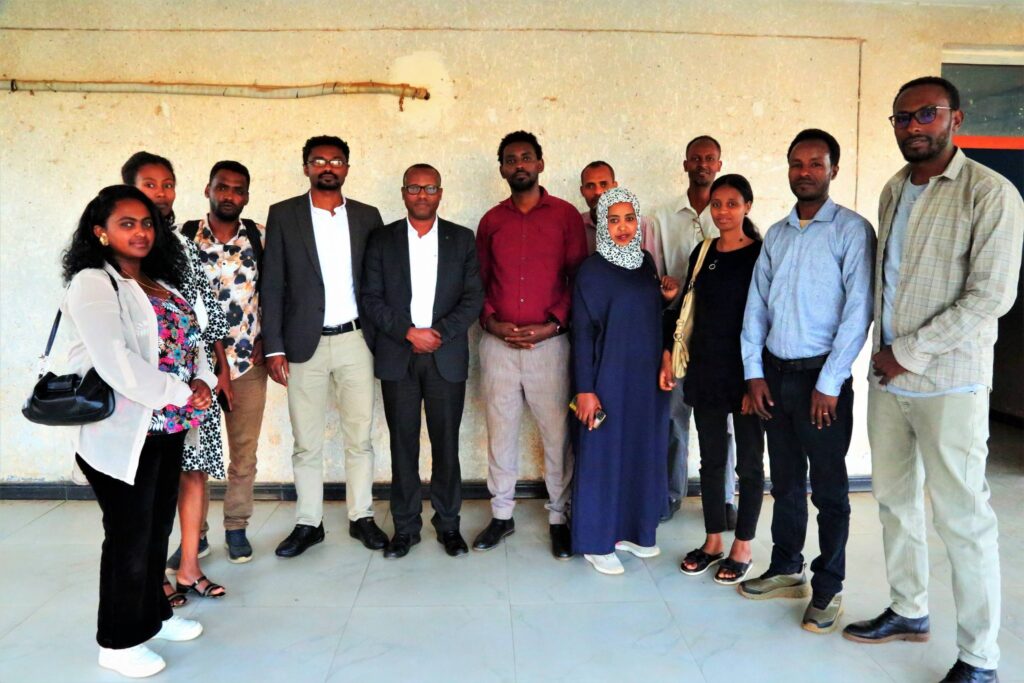
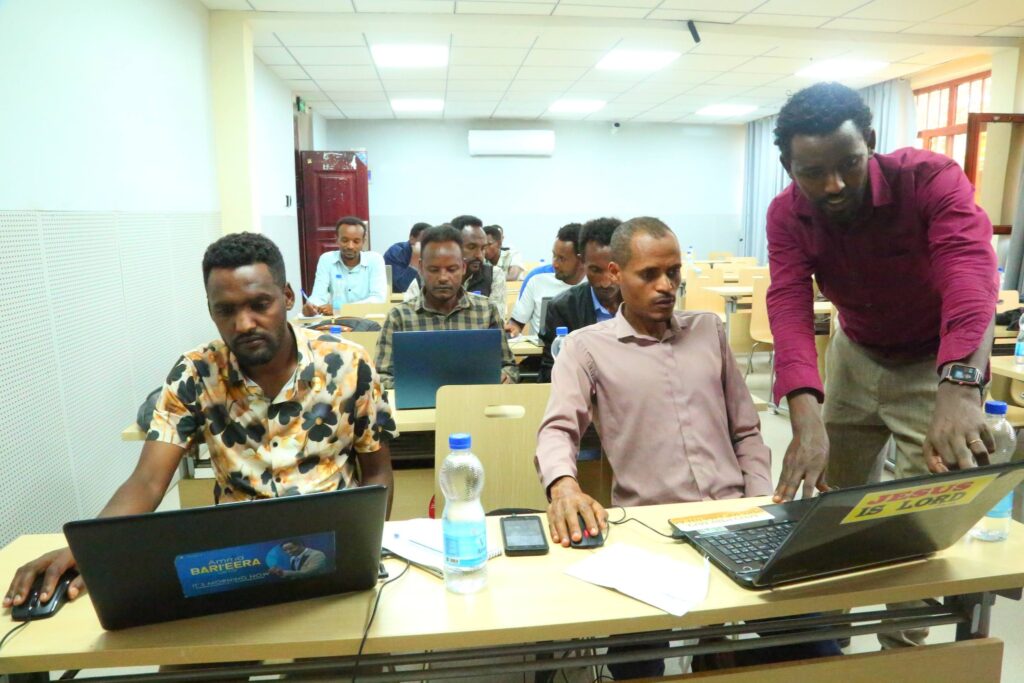
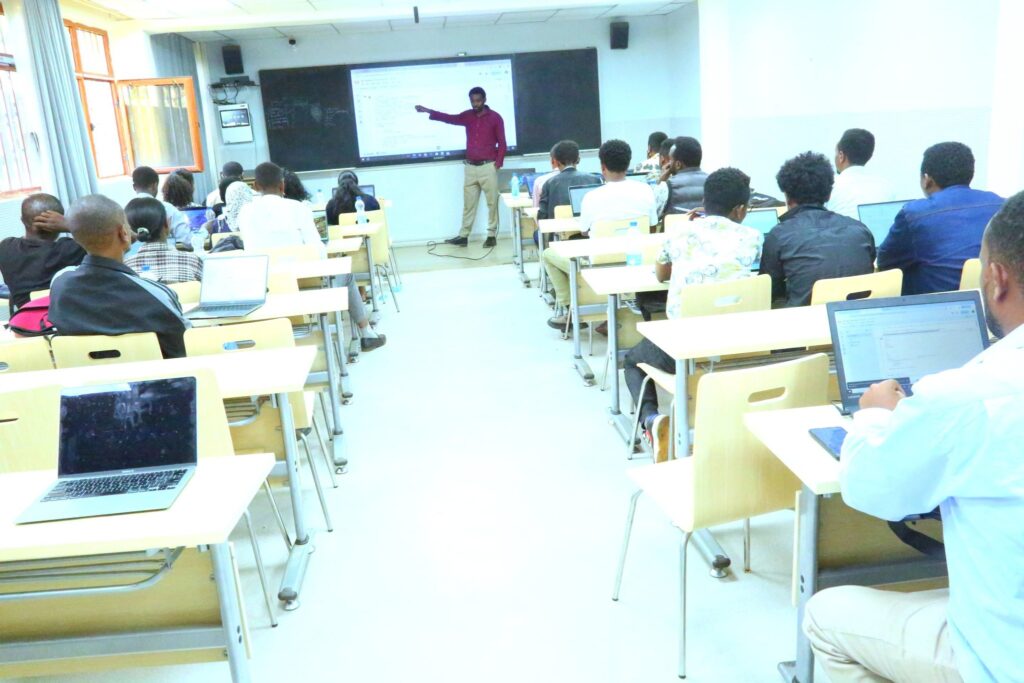
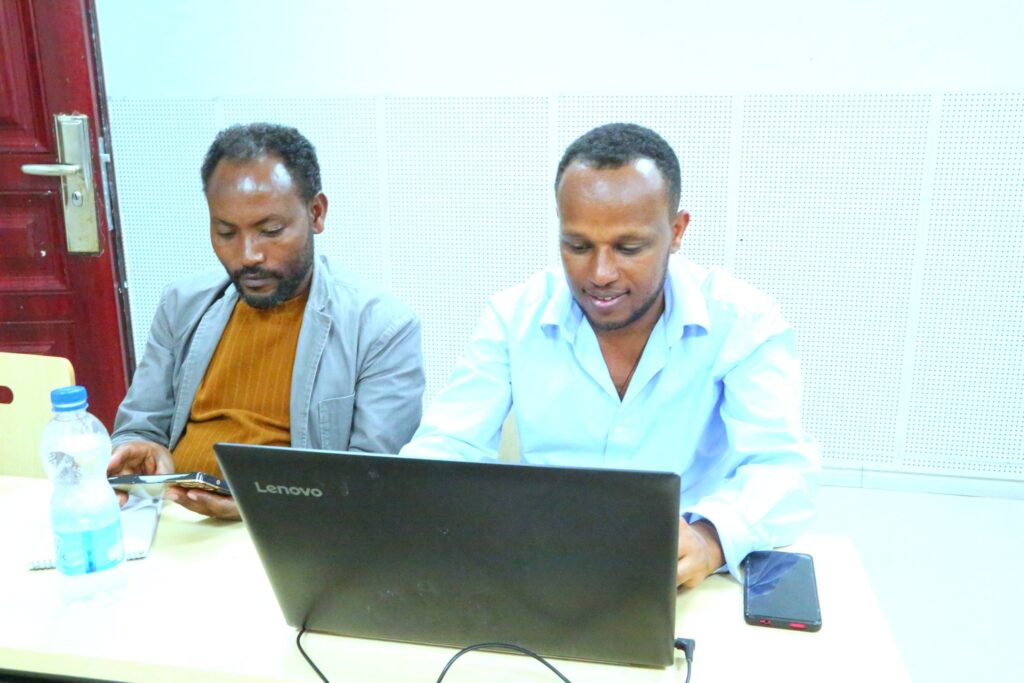
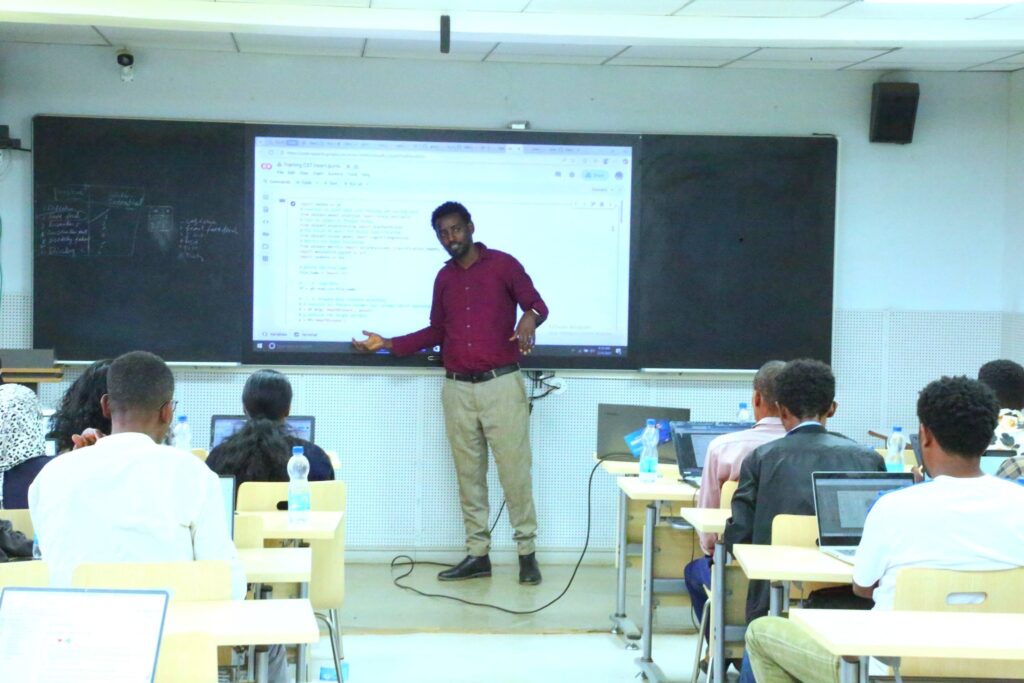
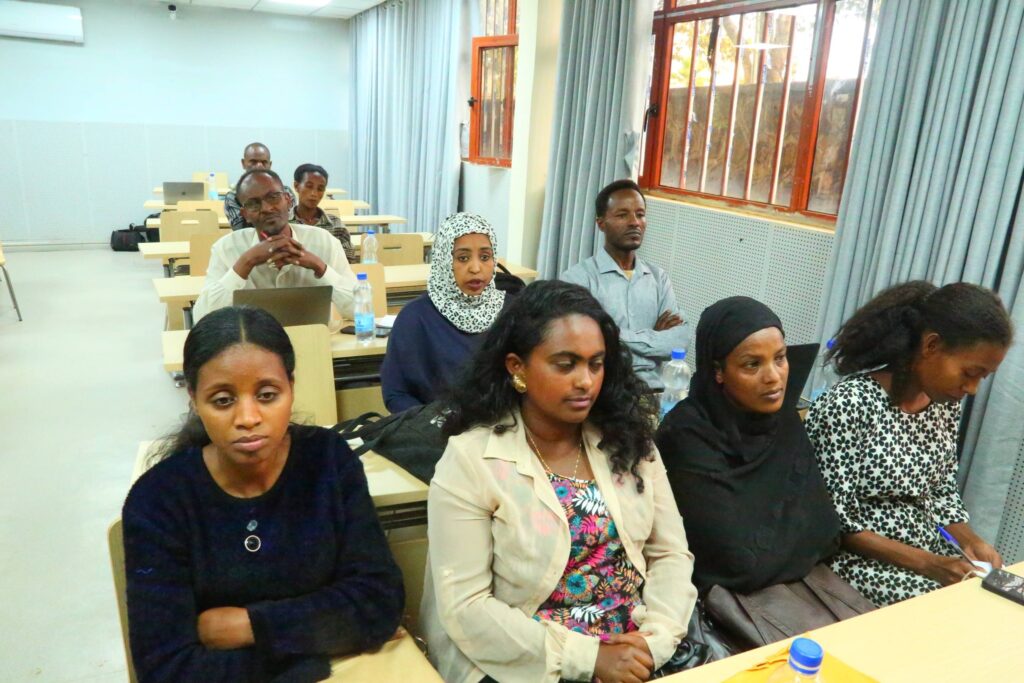
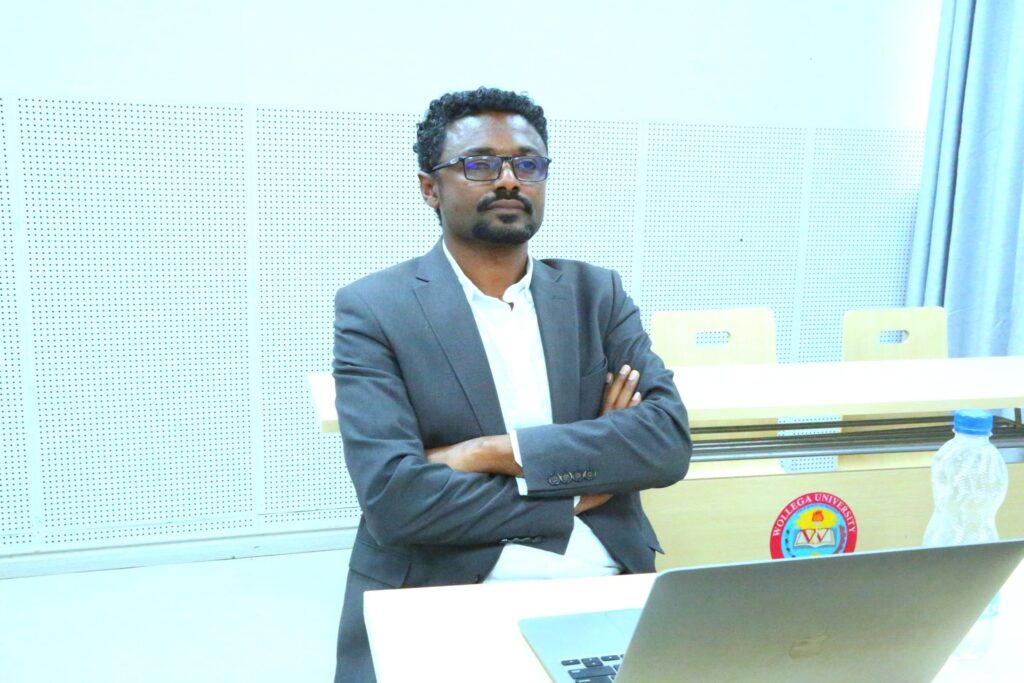
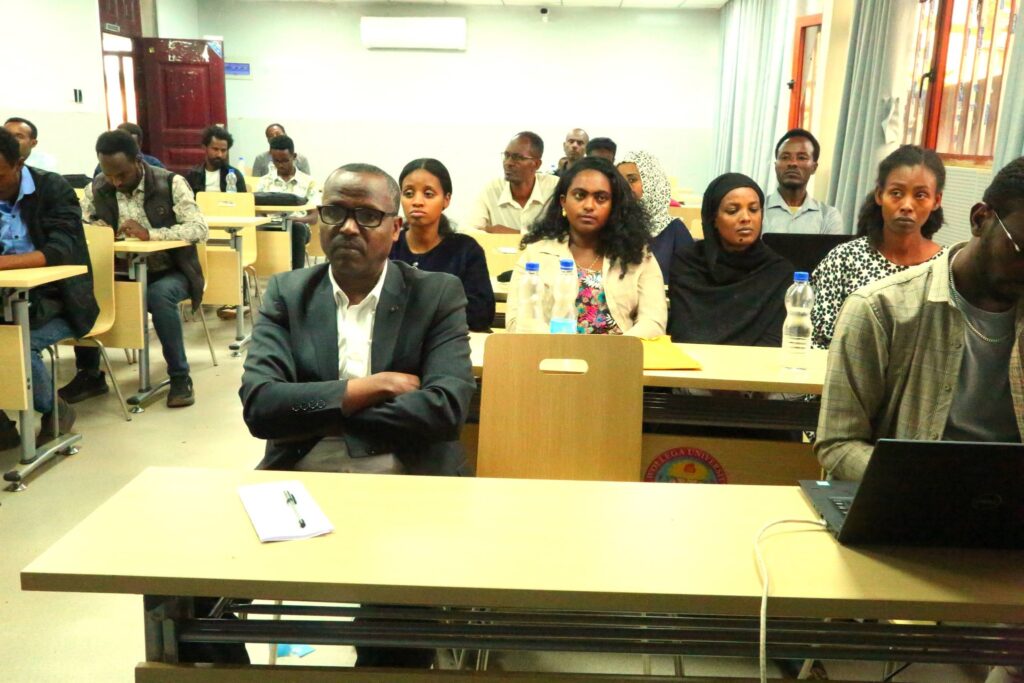
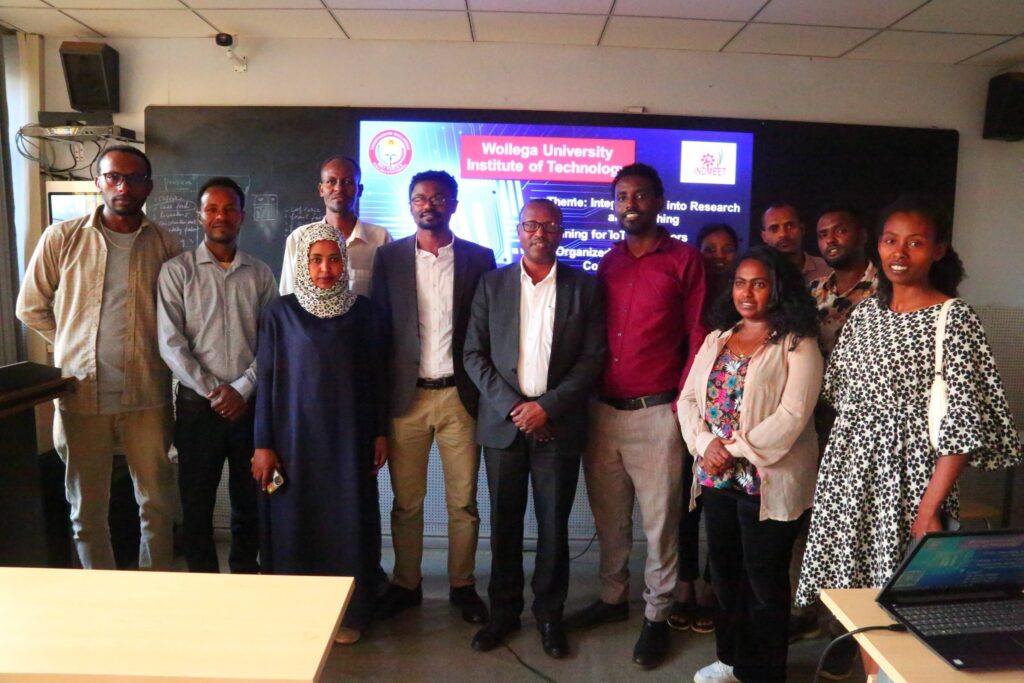
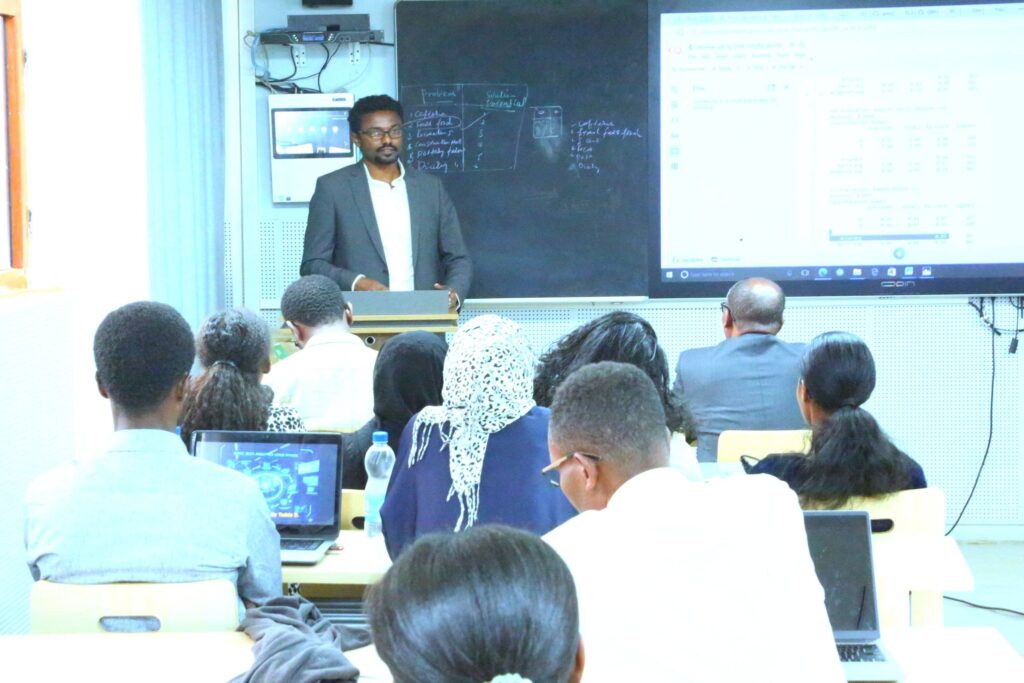
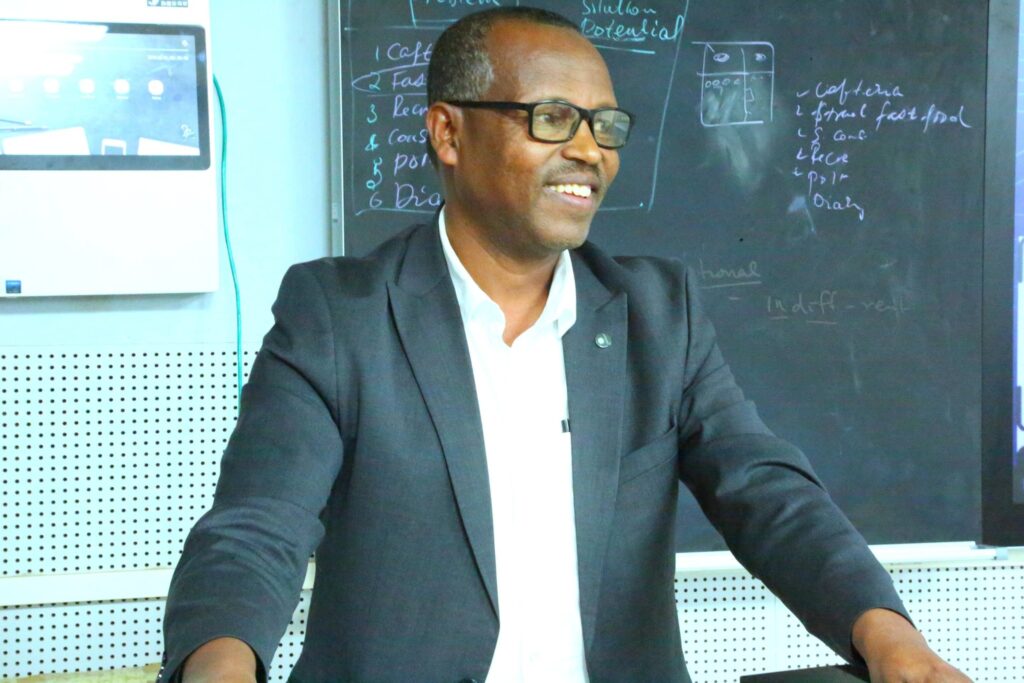
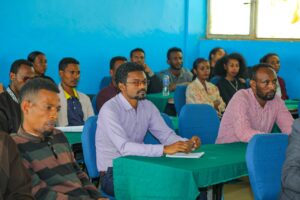
Wollega University’s Institute of Technology (IoT), in collaboration with the INDMET project, has successfully concluded the two-day Short-Term Capacity Building Training on Integrating Artificial Intelligence into Research and Teaching. The training, which was previously announced as underway, has now been completed with active participation from academic staff across various disciplines.
The program was designed to equip staff with essential AI knowledge, enhance their research productivity, and promote ethical and purposeful use of AI in teaching and learning. The training covered the following major themes:
Day 1: AI Essentials, Ethics, Research Productivity and Teaching Support
After the opening program led by university leaders, the first technical session was delivered by Mr. Bodena Terfa. His presentation, titled “Overview of AI,” introduced participants to key AI concepts, global and current trends, and the future of AI, with emphasis on potential benefits, risks, and challenges.
Next, Dr. Etana Fikadu delivered a session on “Introduction to Machine Learning Concepts,” where he covered popular machine learning approaches, algorithms, and the role of datasets. He then continued with the session “AI Tools for Research and Literature Review and AI for Academic Writing and Publication Support,” demonstrating how AI tools can streamline and improve the research workflow.
Following this, Mr. Tadele Debisa presented “AI Tools for Teaching Support.” He introduced practical AI tools that instructors can use to enhance course delivery, assessments, and overall student engagement.
Day 1 concluded with Mr. Bodena returning to lead the session “AI Ethics, Responsible Use, and Academic Integrity.” He highlighted the importance of developing institutional AI guidelines, maintaining high ethical standards, and protecting academic integrity when using AI tools for research and teaching.
Day 2: Hands-on Python Programming for Beginners, Data Analysis and AI-Supported Interpretation
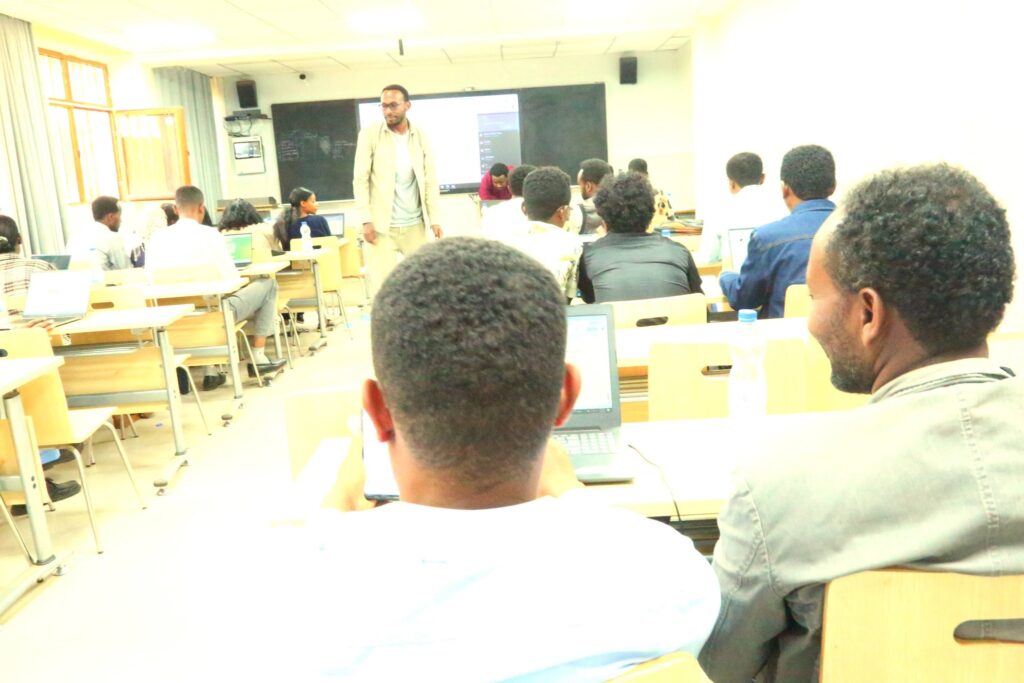
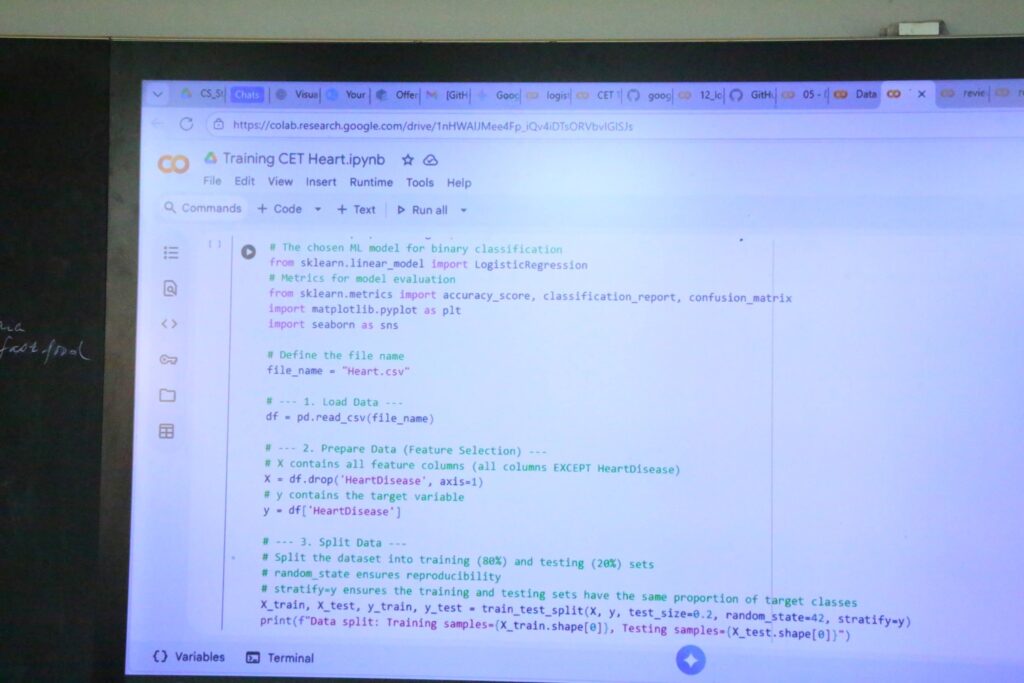
Day 2 focused on practical skills. The first session was delivered by Mr. Bodena Terfa, who introduced participants to Python programming. The session was designed for beginners and helped participants understand the basic structure and use of Python.
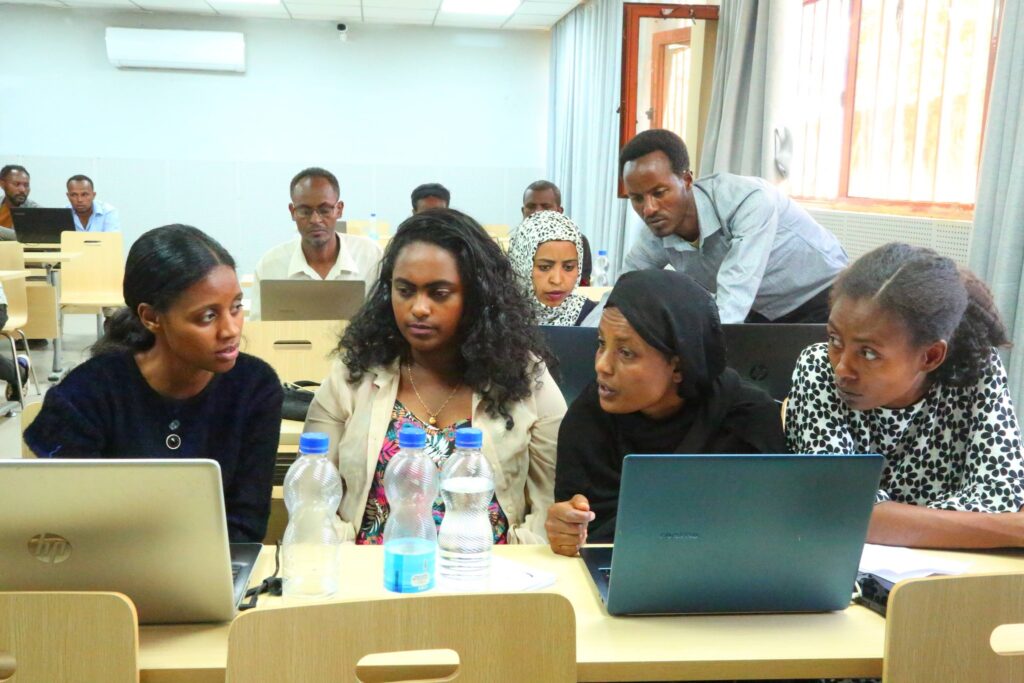
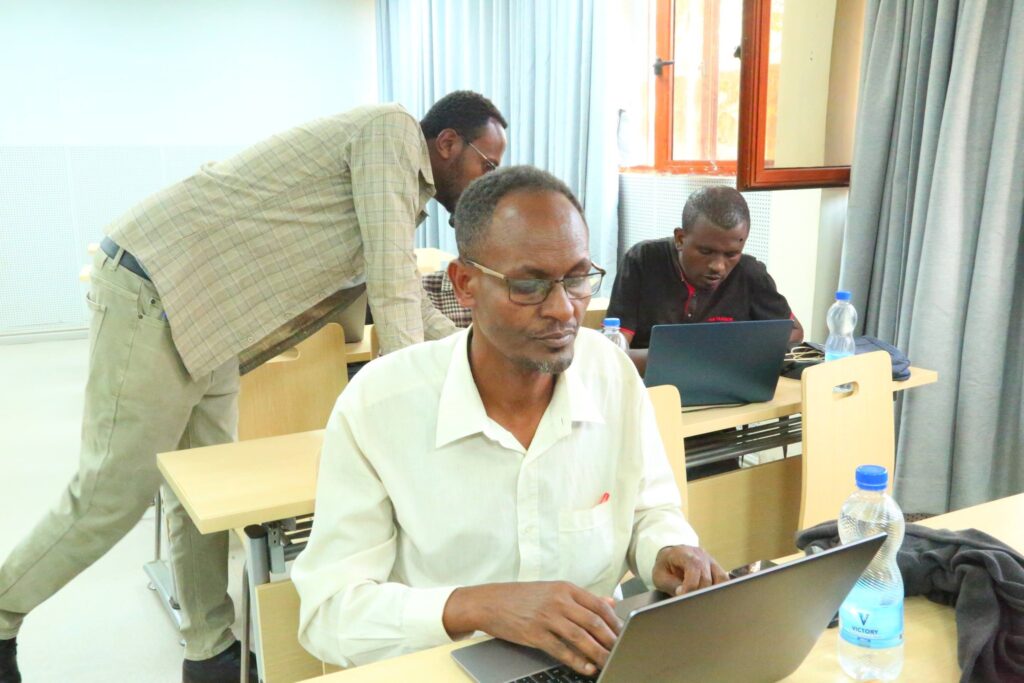
This was followed by a hands-on session led by Mr. Tadele Debisa titled “Basic Data Analysis with Python.” Participants practiced basic data manipulation and exploration techniques that can support both research and teaching activities.
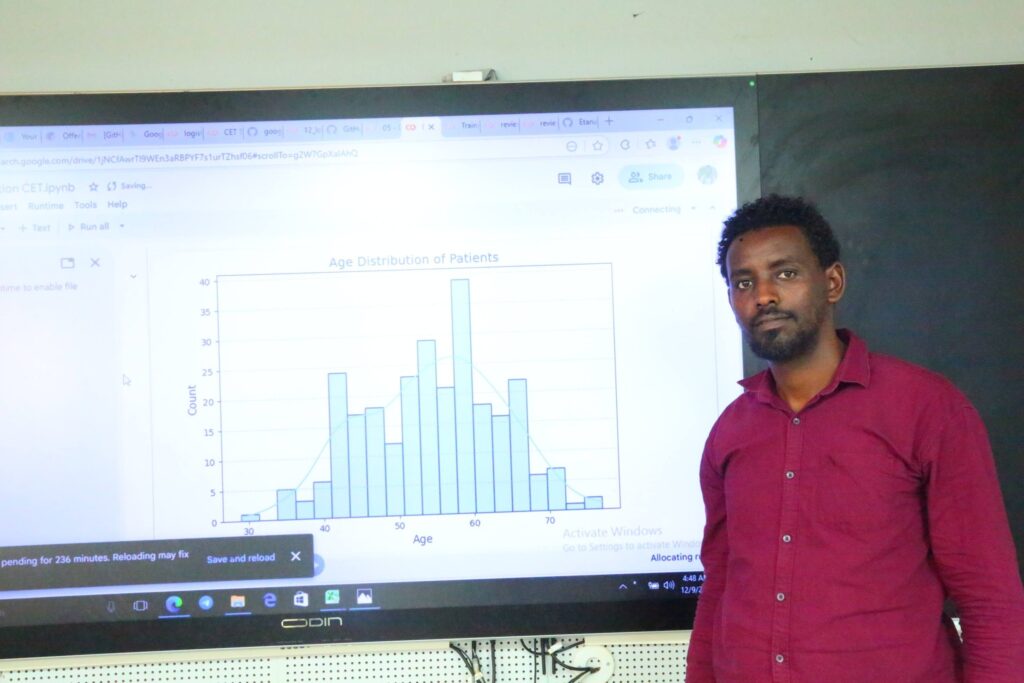
The final technical session was delivered by Dr. Etana Fikadu. His presentation on “Advanced Analysis and Visualization Using Machine Learning Algorithms” demonstrated how machine learning techniques can strengthen data interpretation and visualization to enhance research quality.
Closing Reflections and Final Remarks
After the technical sessions, Dr. Endalkachew Mosisa, INDMET Project Coordinator, officially concluded the training. He emphasized the growing importance of AI in simplifying research processes and improving teaching productivity. He also reminded participants that AI must always be used ethically and supported by clear institutional guidelines. Dr. Endalkachew then welcomed reflections from participants.
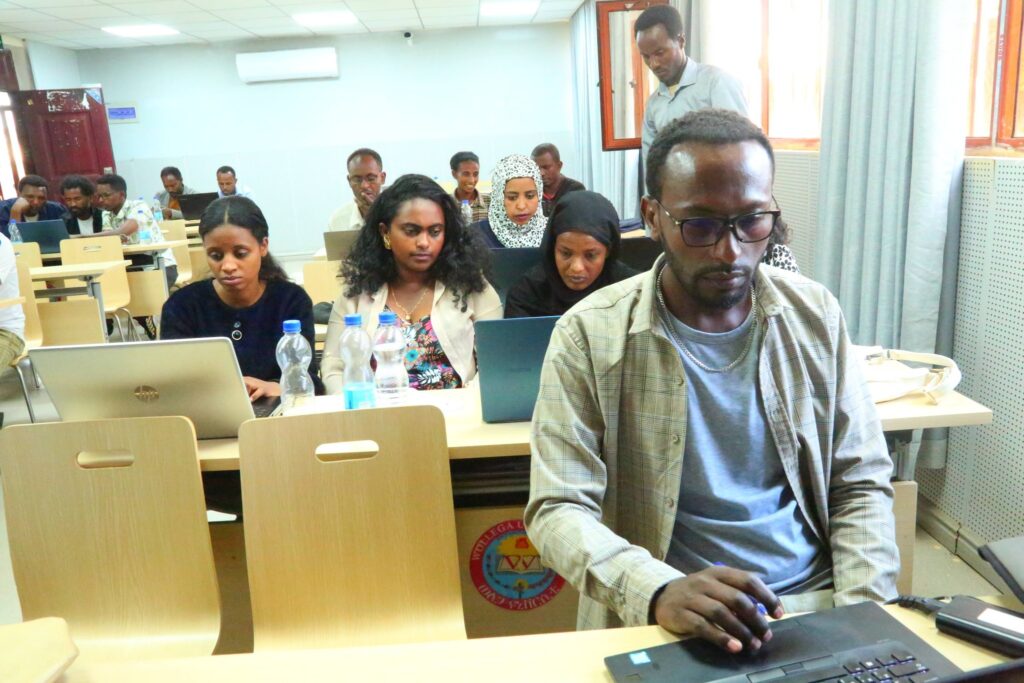
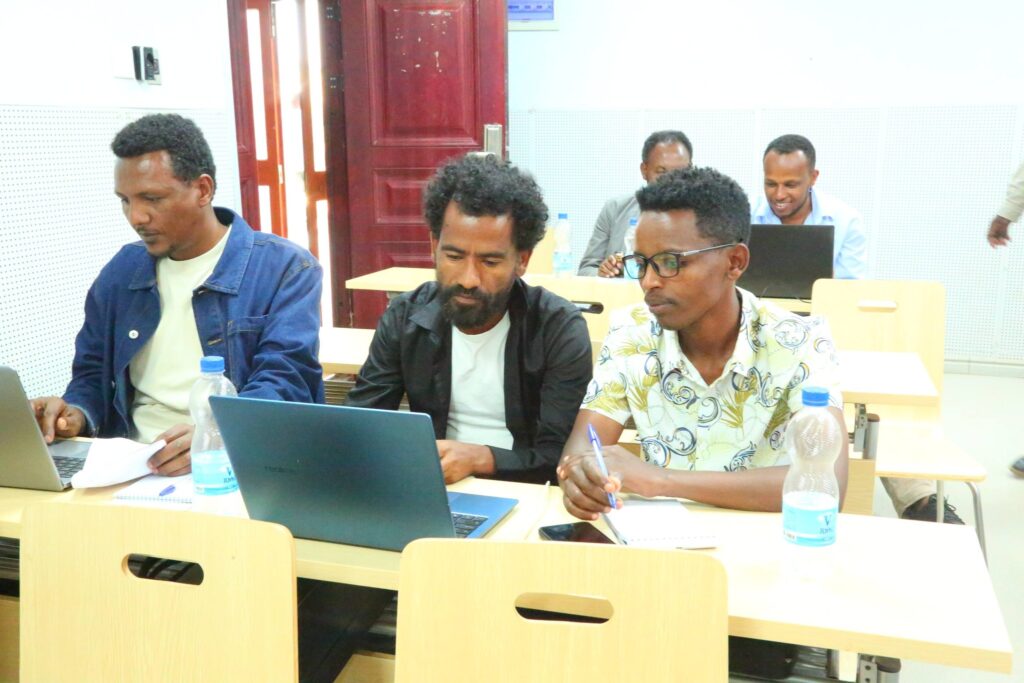
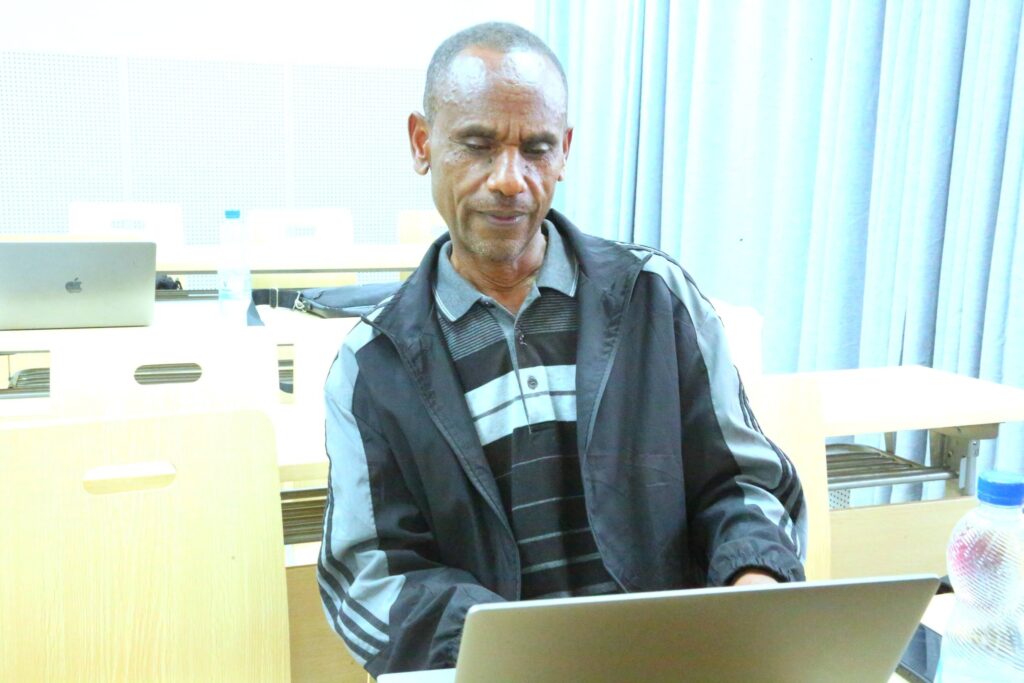
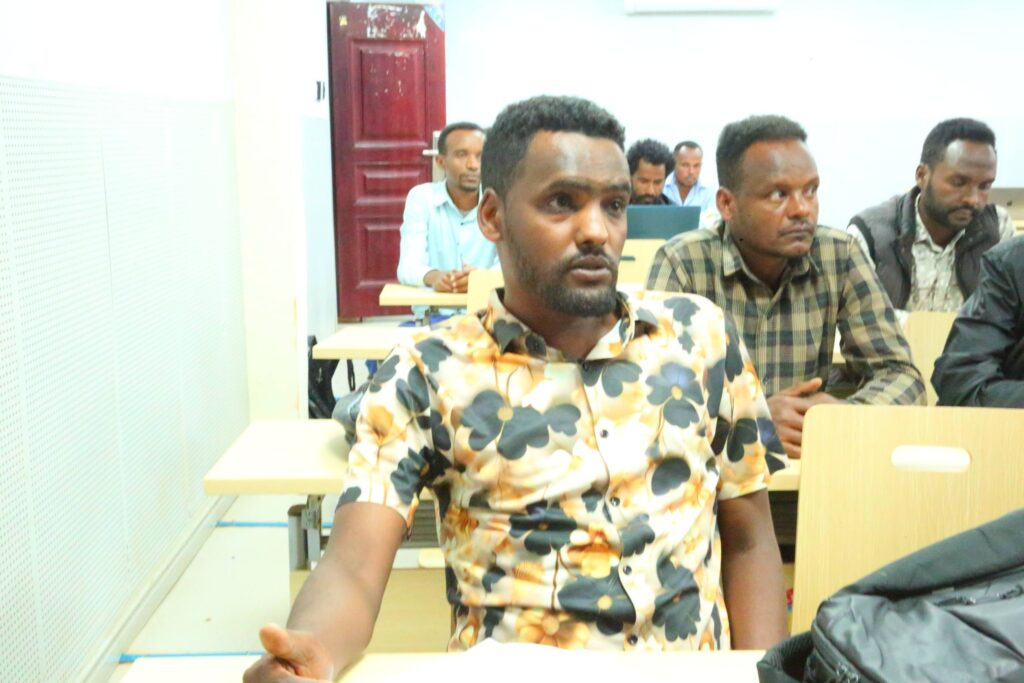
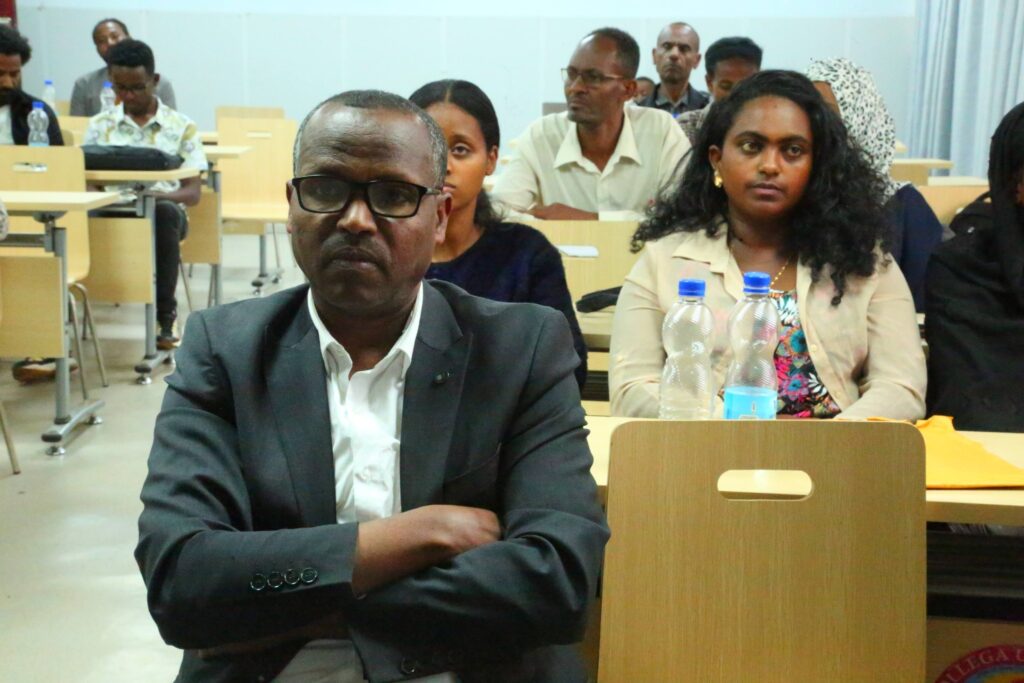
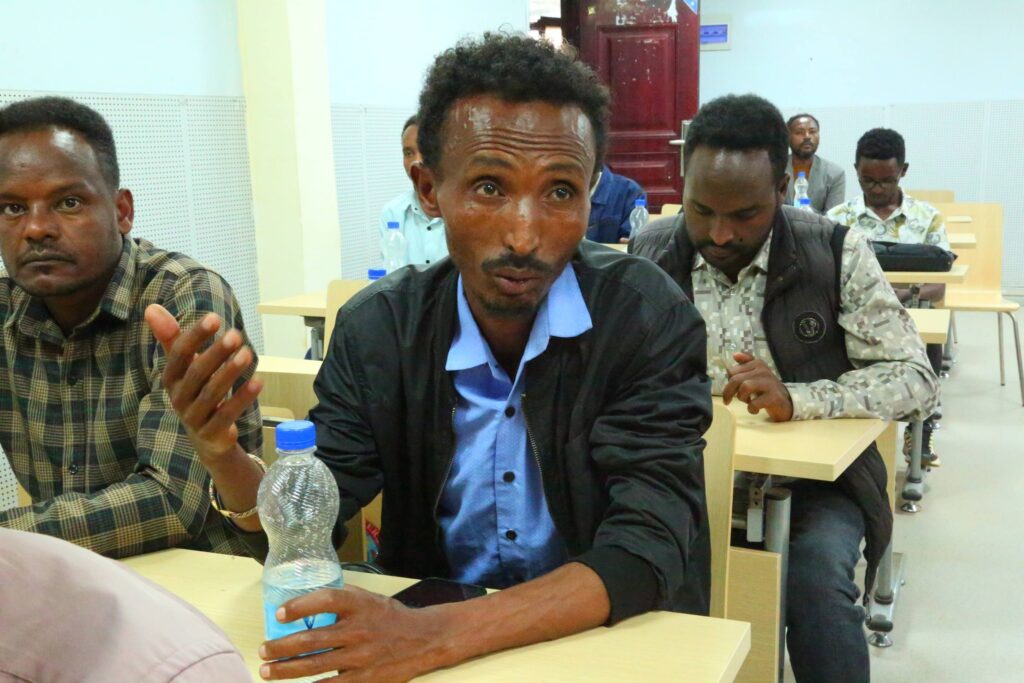
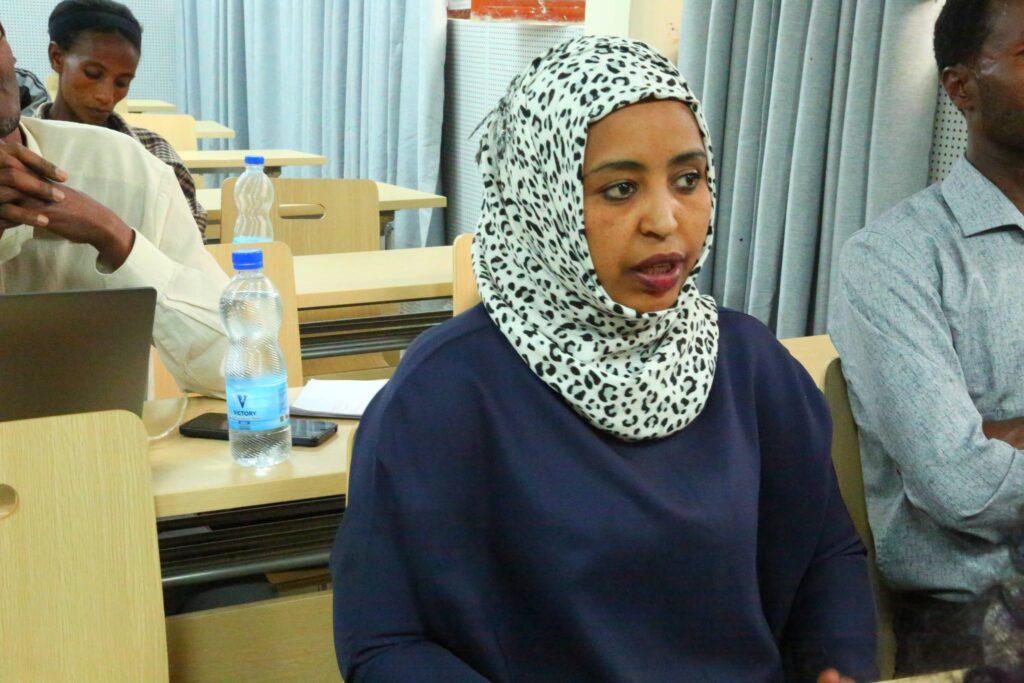
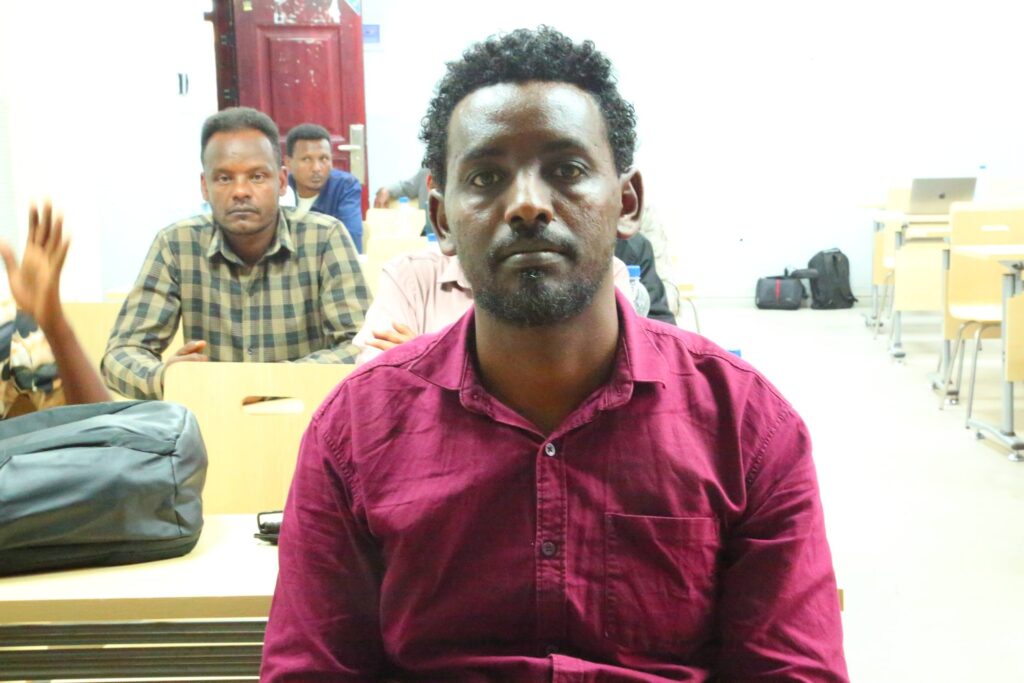
Participants expressed their high satisfaction with the training, describing it as timely, essential, and very well-organized. Many noted that the content was clear, foundational, and practical, making it especially beneficial for beginners. They recommended continuing the program with more advanced-level training and extending similar opportunities to additional staff members who were unable to attend. Participants also highlighted that AI skills are becoming necessary in every field.
The program officially concluded with closing remarks from Dr. Diriba Diba, Vice President for Research, Community Service and Technology Transfer. He thanked the organizers, trainers, and participants for their dedication. He also acknowledged both the opportunities and risks of AI and emphasized the need for institutional policies that promote ethical and responsible use. He noted that while AI adoption is essential, it must always be approached with care and proper oversight.
The two-day training concluded successfully, marking an important step in Wollega University’s efforts to strengthen digital capacity, advance ethical AI integration, and empower staff to enhance research and teaching through emerging technologies.